
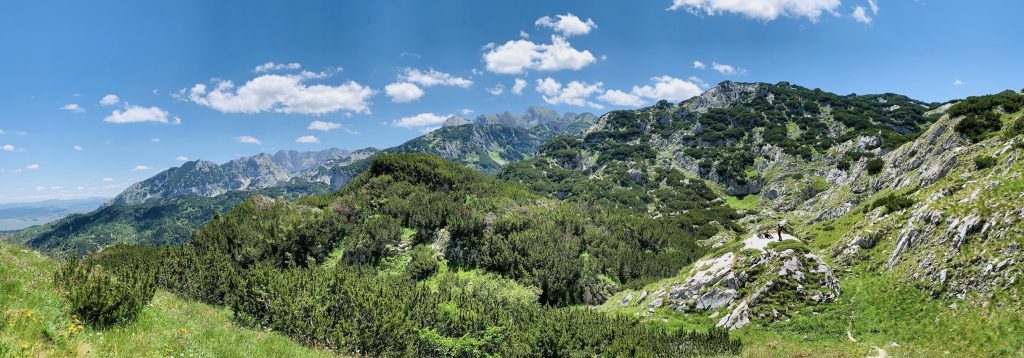
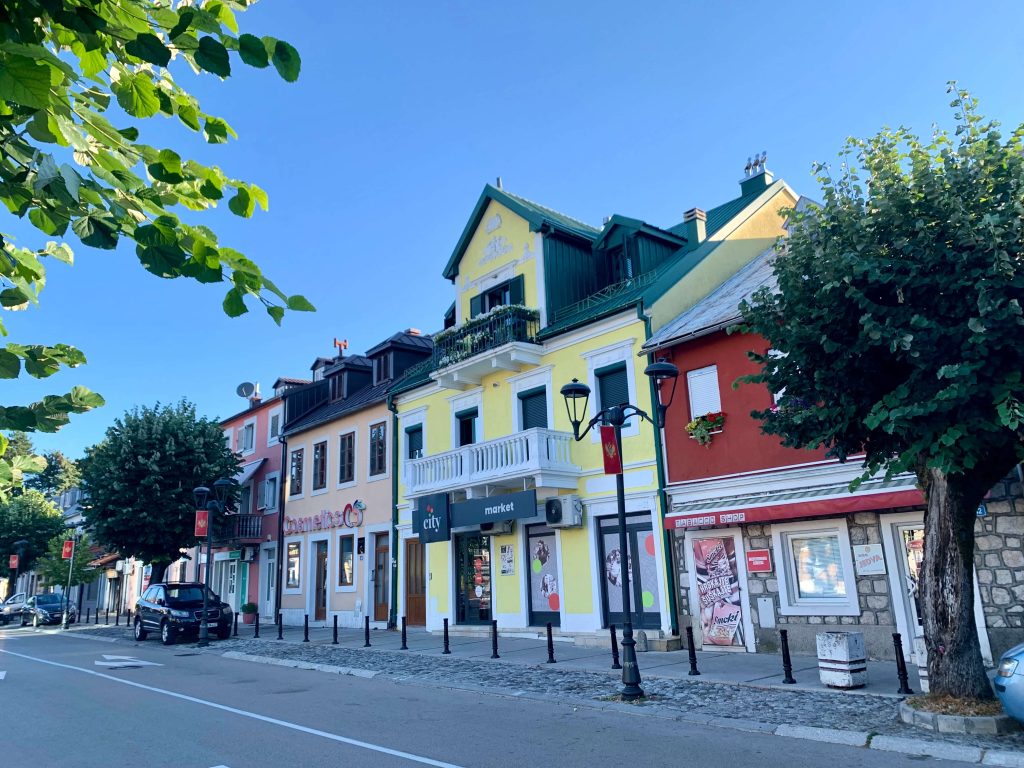
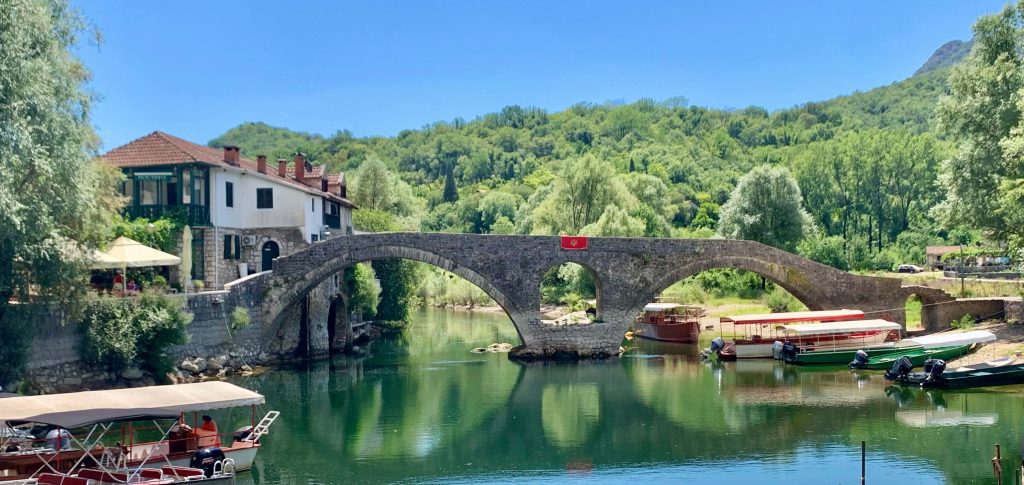
I have continued my recent thread of travels through the Balkan region and I am continually surprised by the unique differences between countries only hundreds of kilometres apart. I have spent the last 9 days travelling in Montenegro from the Durmitor mountains and lakes in the far north to the seaside port of Kotor. There is something tangibly ‘European’ about Montenegro- the ski chalets and seaside cafes would rival French and Italian offerings. The Balkan countries all have a shared history of Slavic background, flavoured by Ottoman Turkish rule and then later emerged from Communist Yugoslavia to independence. The delight of Montenegro is that her coastline was an important part of the Venetian Republic (until conquered by Napoleon Bonaparte) and many seaside ports and fortresses were constructed with Venetian style churches and palaces. More on the marvels of the Adriatic coast later.
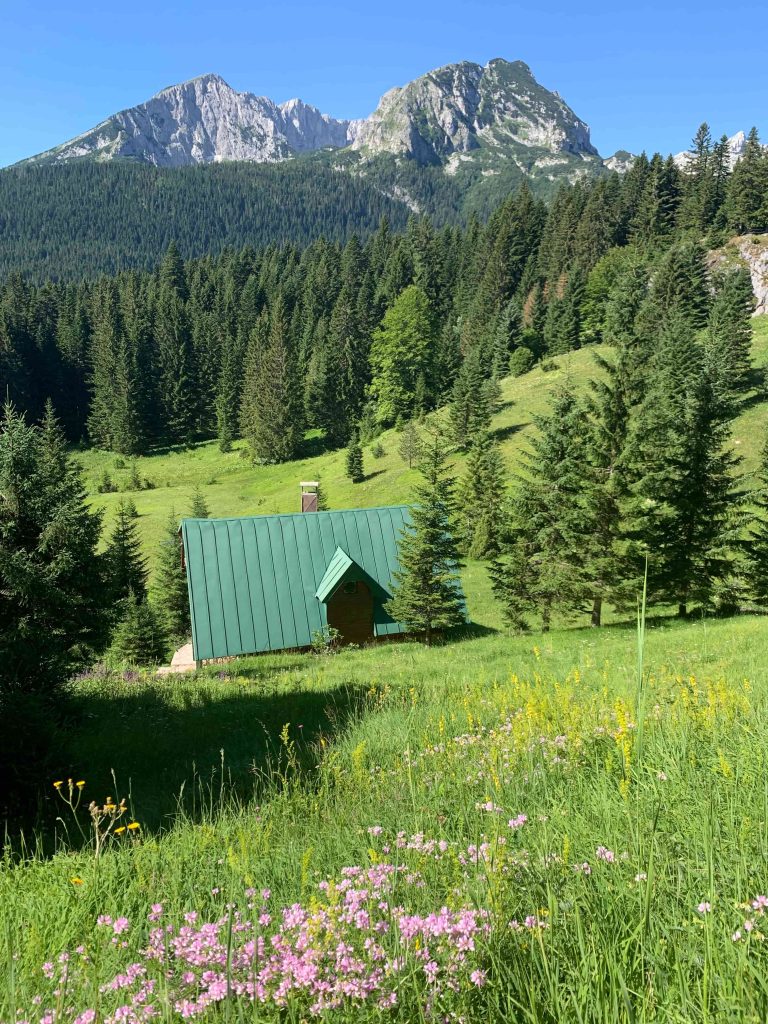
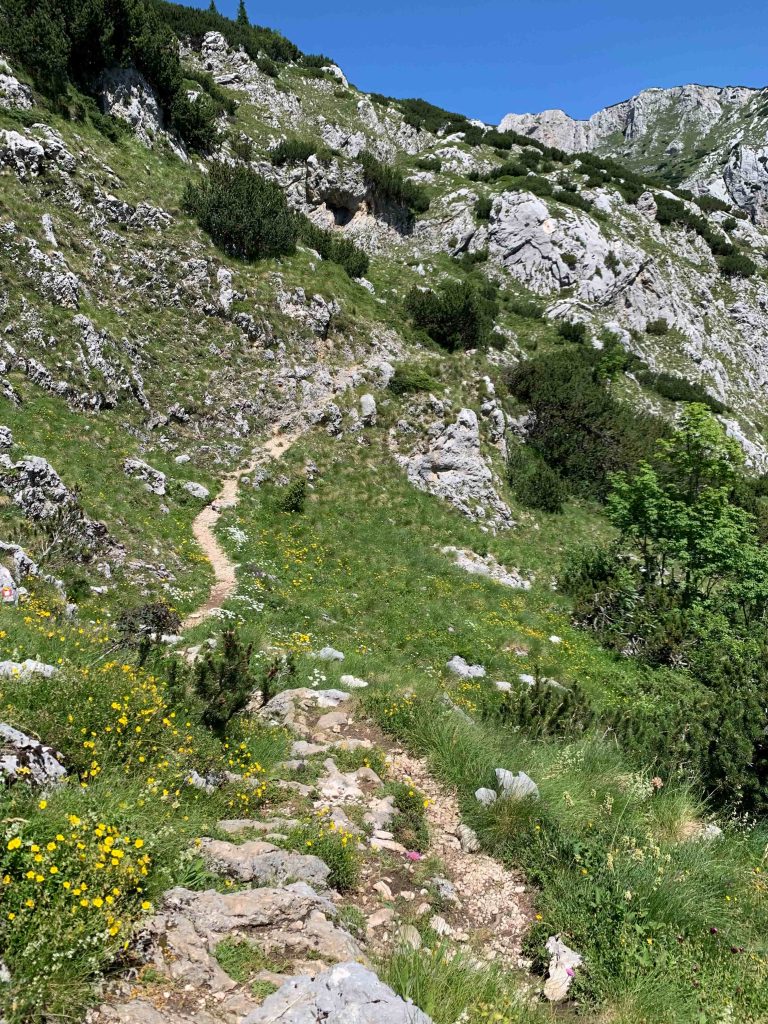
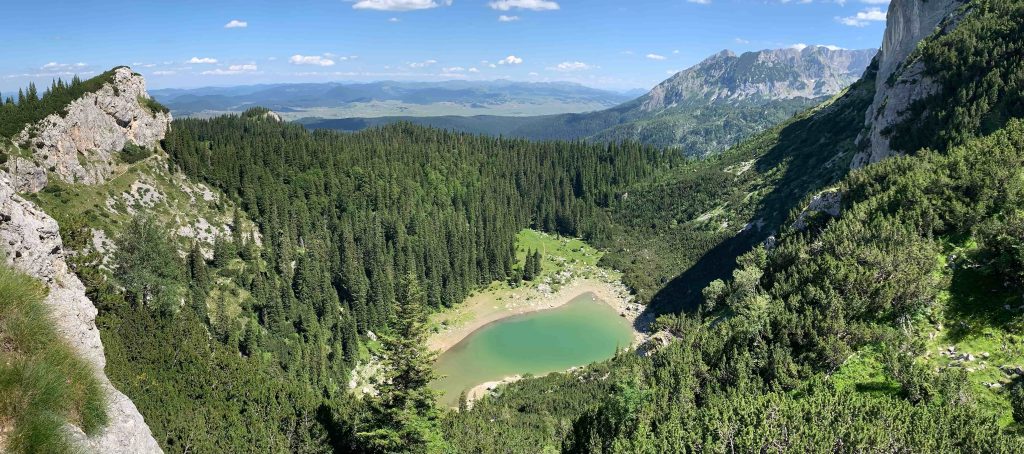
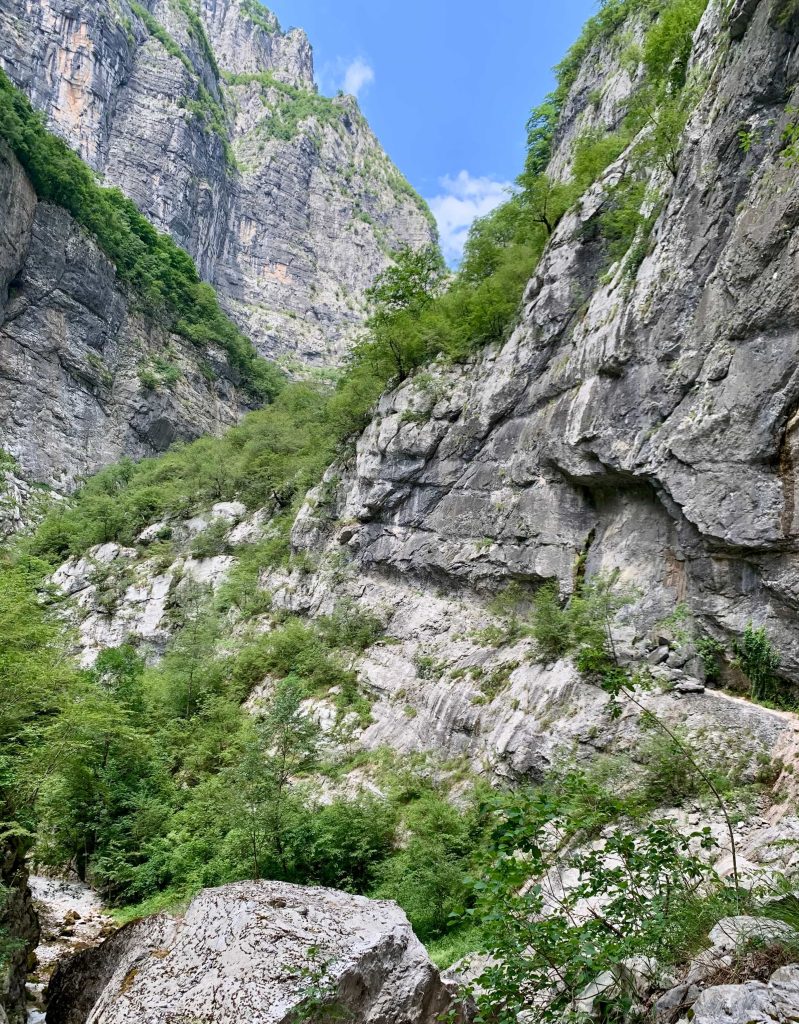
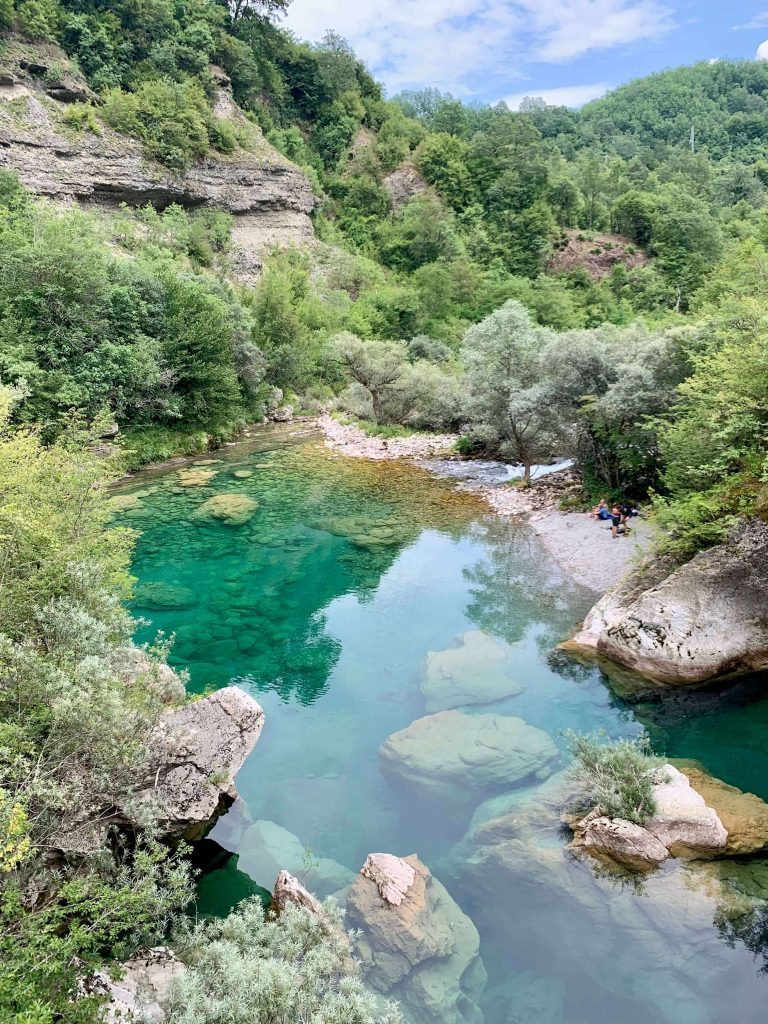
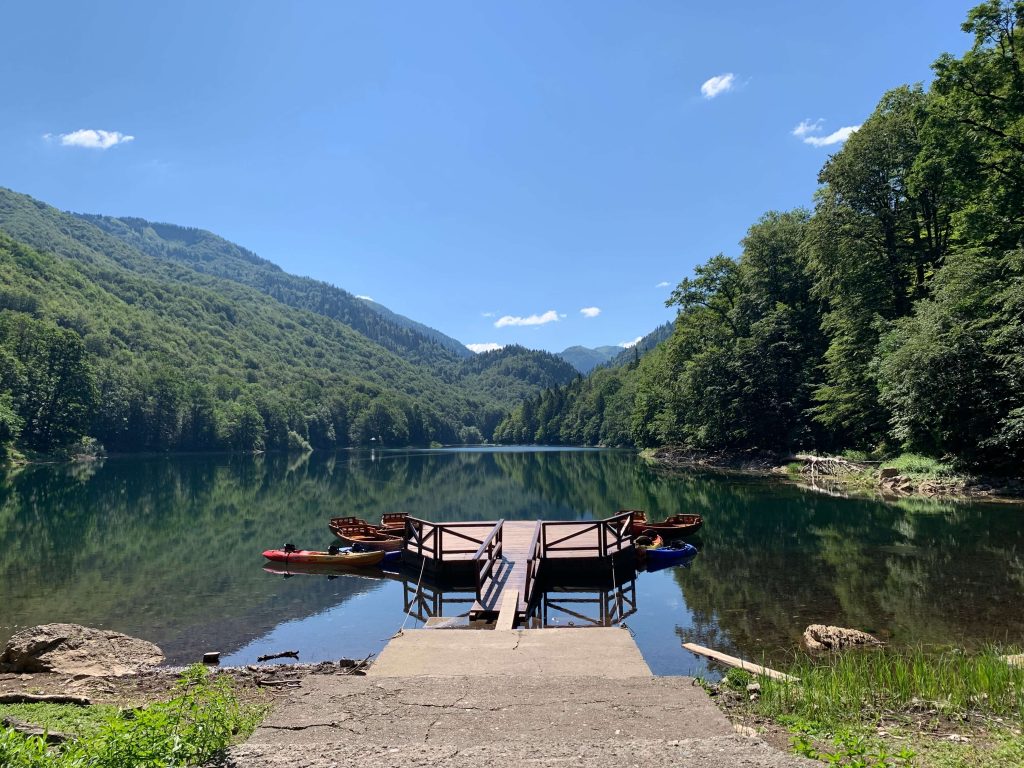
This was ostensibly another hiking trip for me. My annual pilgrimage to test the physical body and see with a pair of hiking boots and some persistence what mountains I can still conquer. Nothing clears the mind more than fresh air, burning muscles and stupendous mountain panoramas. I hiked a selection of trails across Montenegro from the Durmitor region, Lake Biogradska, Mrtvica Canyon, Lovcen National Park to Kotor.
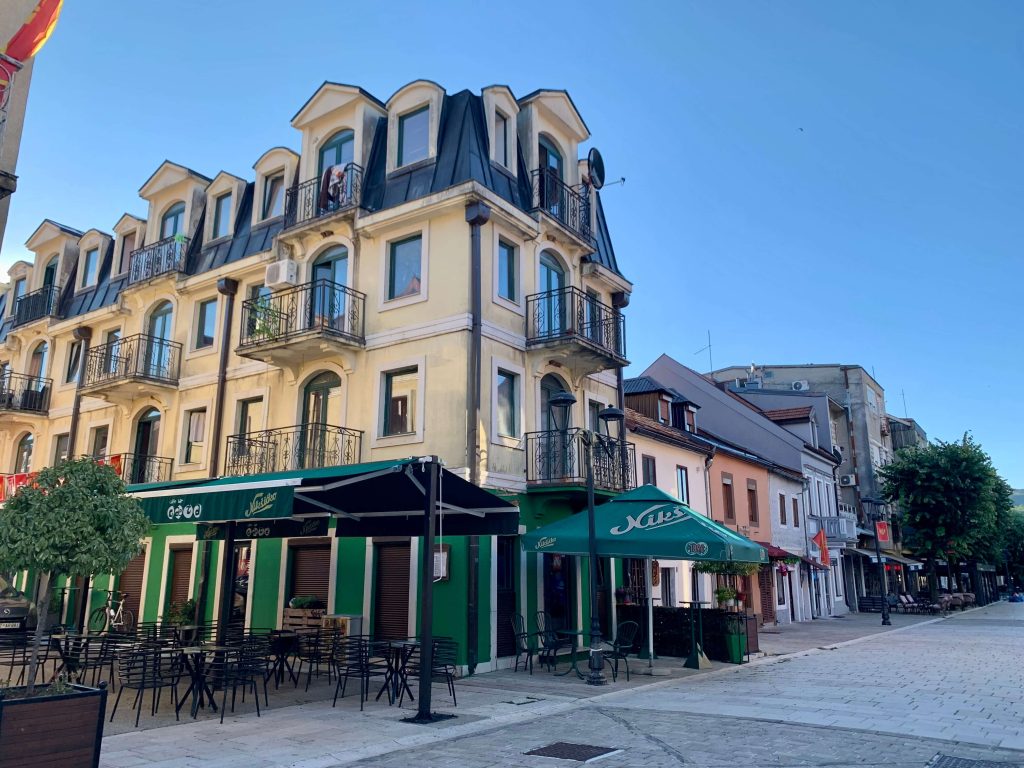
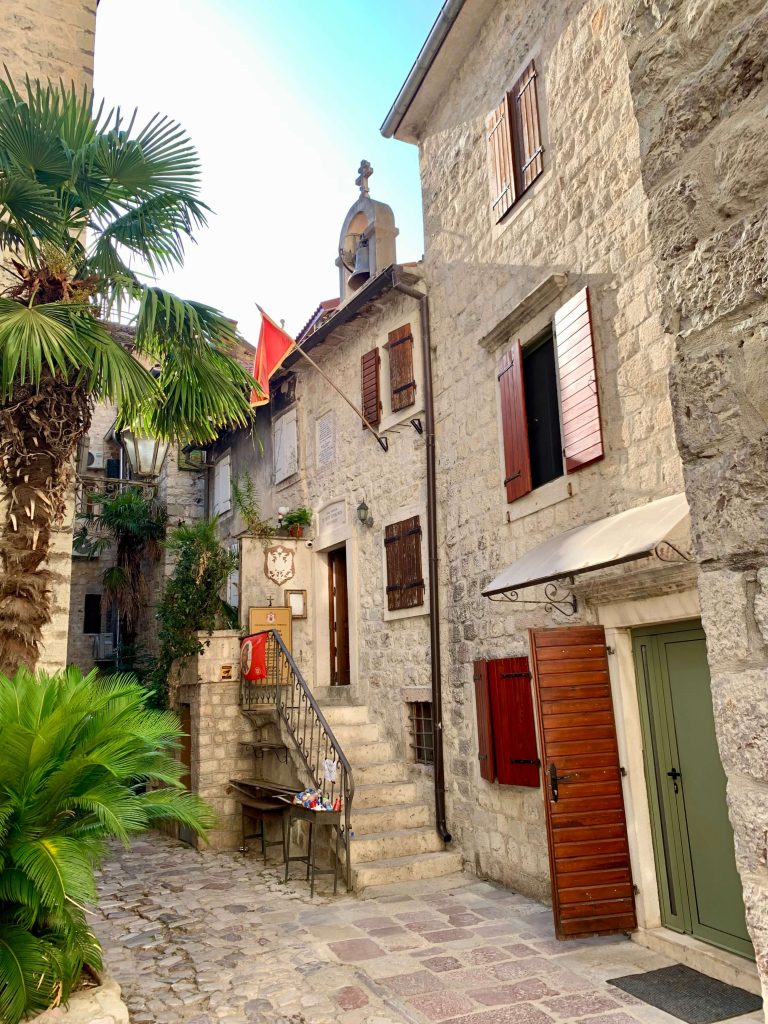
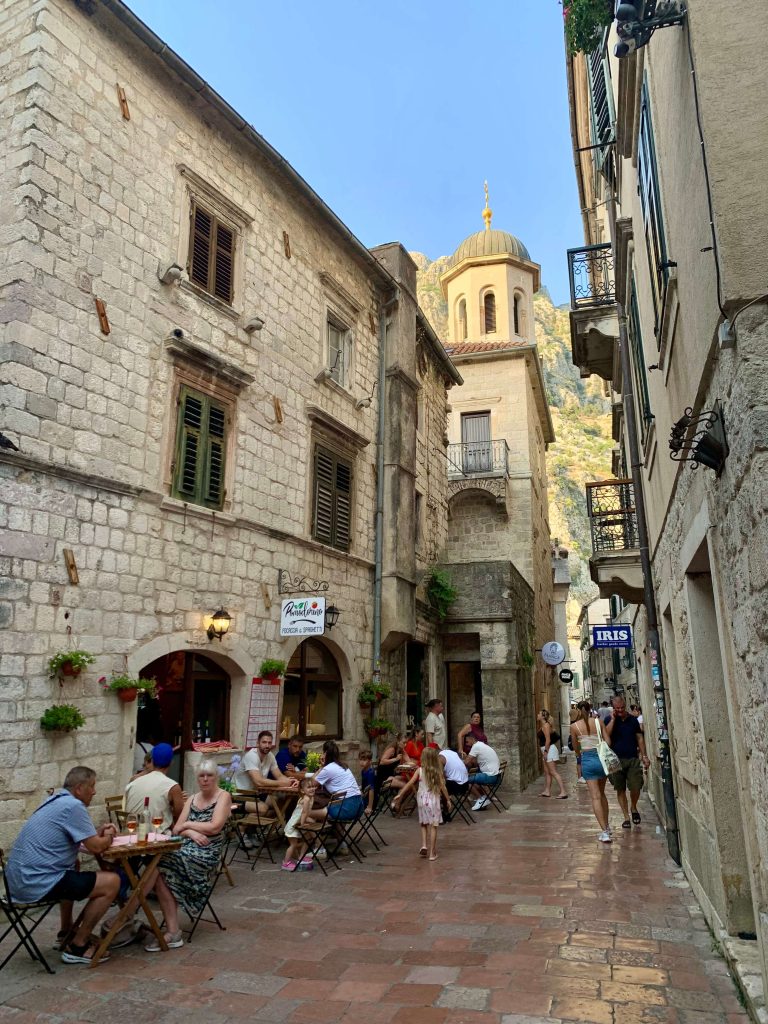
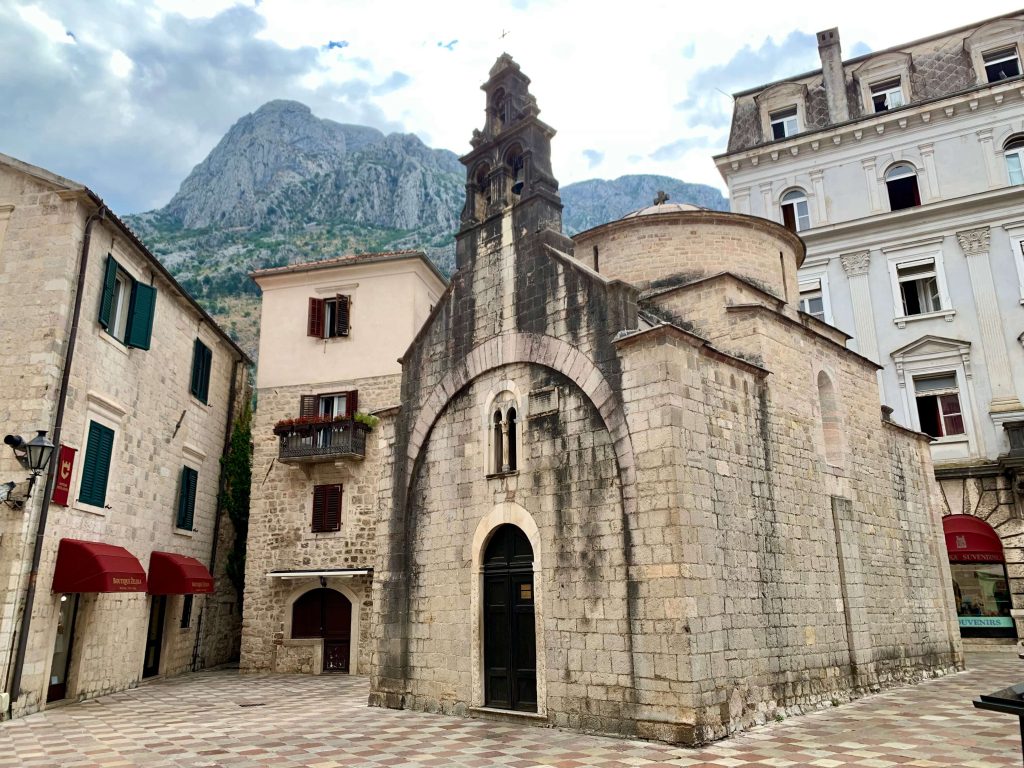
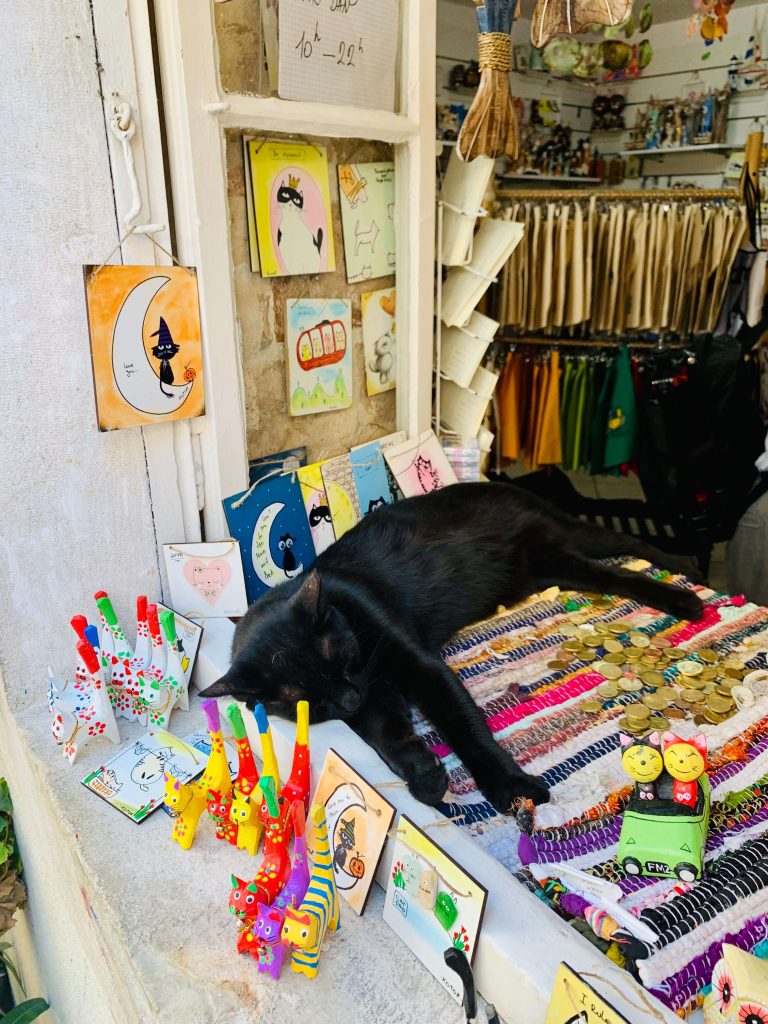
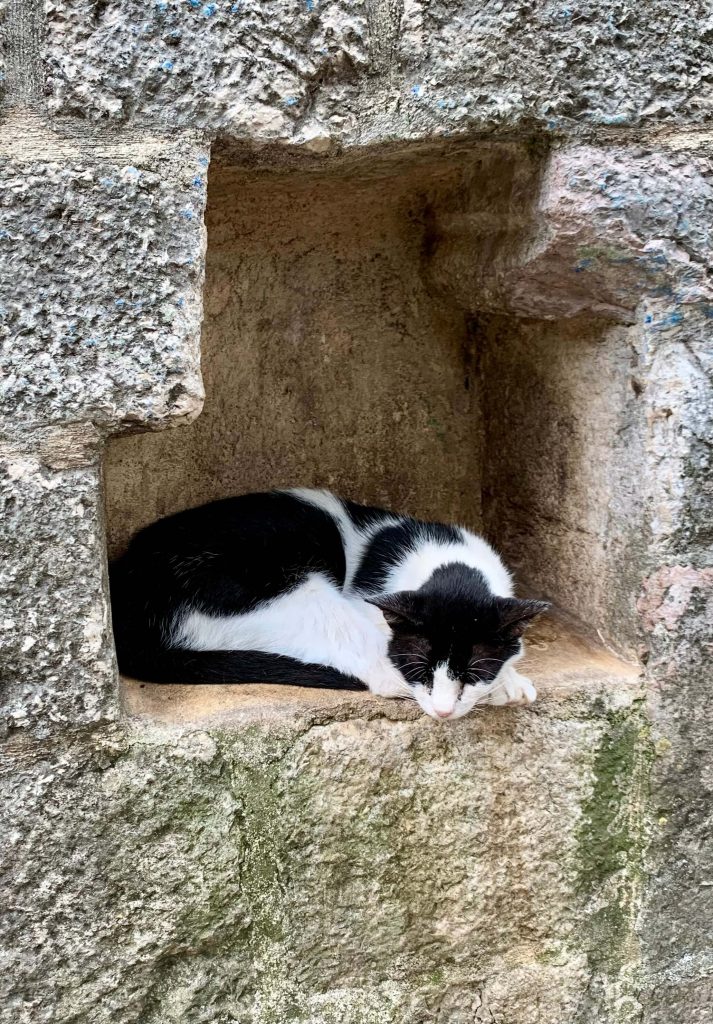
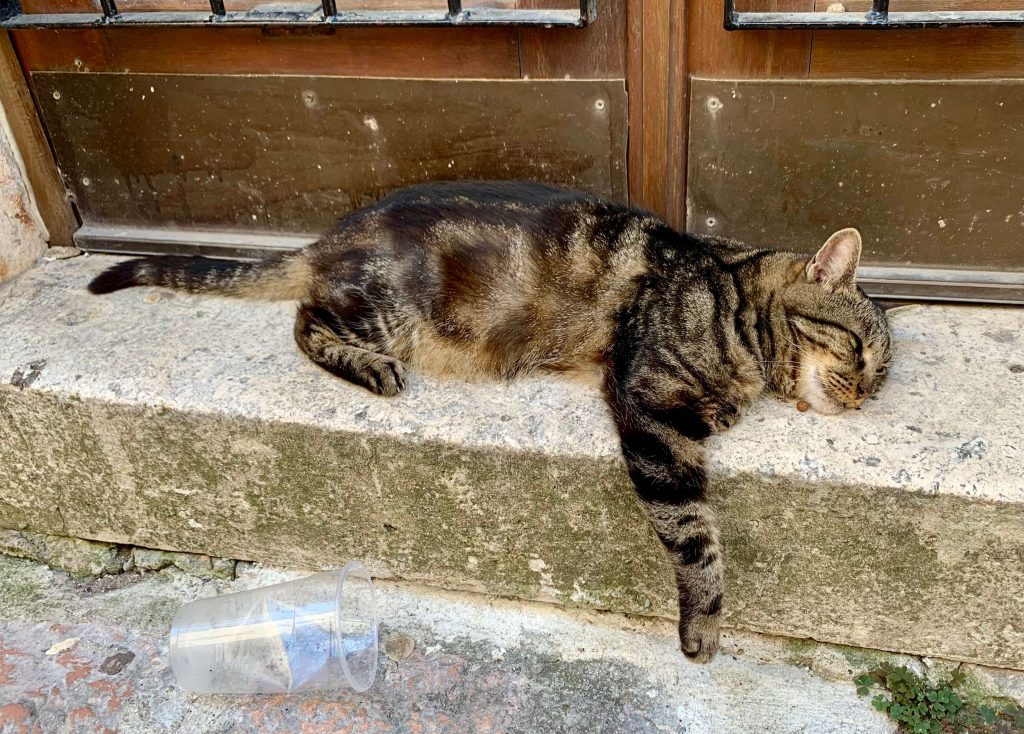
I am a rolling stone but as I ground to a stop by the Adriatic coast I was charmed by the magical surrounds of the bay of Kotor. Now for what most of you were picturing as a European holiday I was finally wandering around the flagstone laneways of the old town and fortress of Kotor built in the 15th century. The street cats are the lords and legends of this old walled city as they were said to have saved the residents from the plague. If only they could stop the enclave from being overrun by cruise ship tourists!
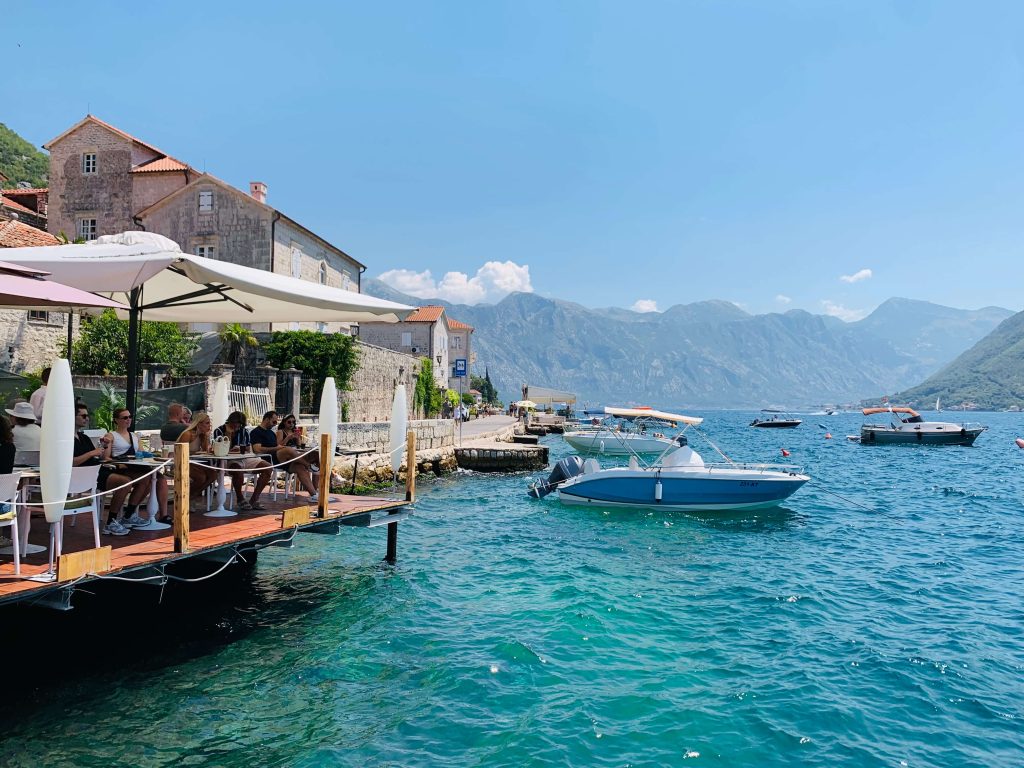
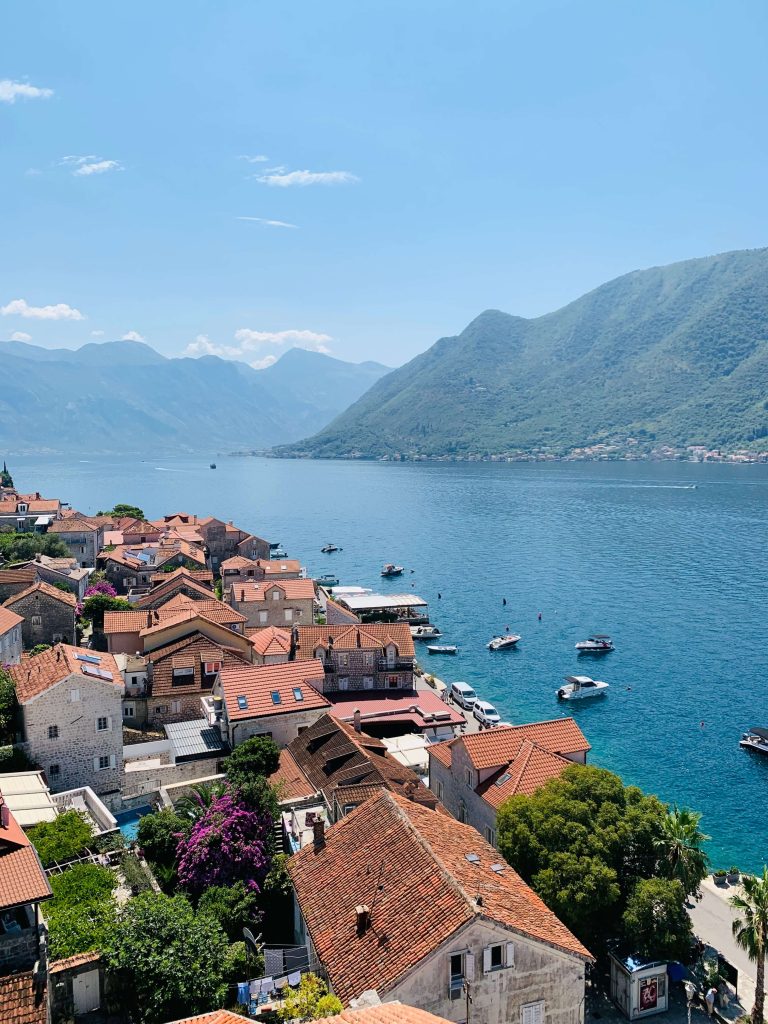
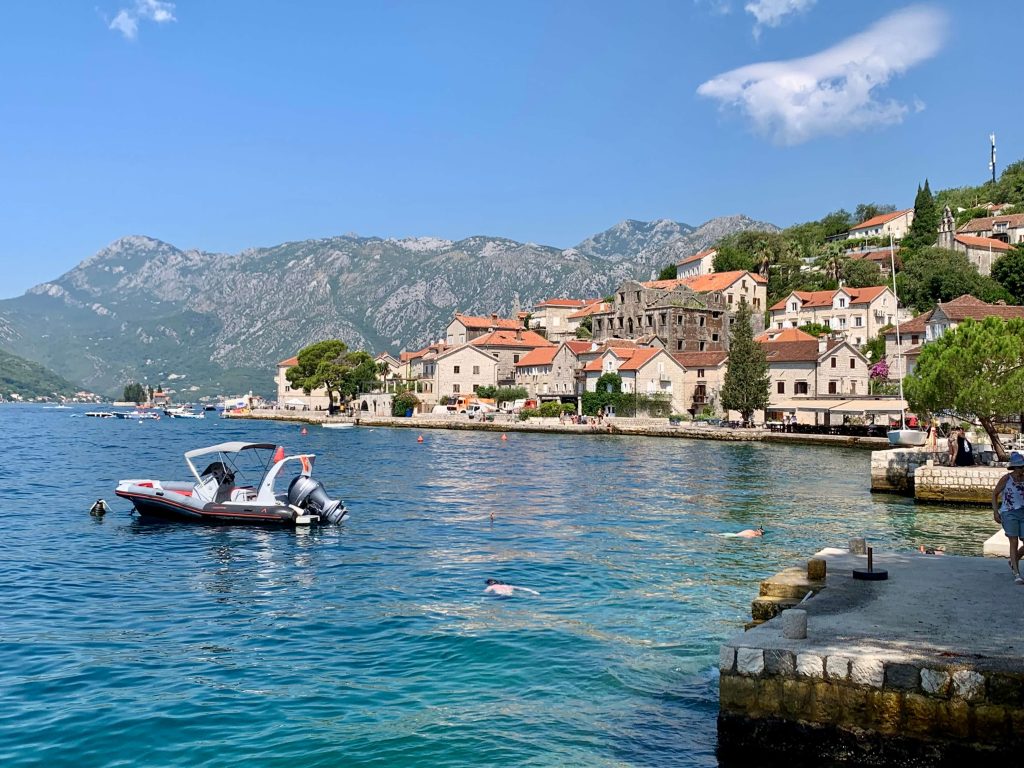
The other delight was to wander the seaside village of Perast – its strong Venetian history evident in its handsome limestone palaces and multiple churches. Bikini clad and bronzed Europeans dive directly from its sea walls into an azure Adriatic Sea, with yachts and speedboats busying themselves on the bay. Seaside restaurants catch the breeze over the water’s edge and are filled with suave and swarthy men wearing the colourful ‘uniform’ of summer. (There is an unwritten rule that bright pink and yellow shirts should never be worn in winter in Europe). The carefully tied silk headscarf is the trend for fashionable wives this summer. A European summer holiday.. with a difference!
Holy gorgeous! Love these photos. Just been learning about the Albanian protests against Trump nepobaby resort plans in a flamingo sanctuary…. Actually wondered out loud if you’d been to Albania (sorry I lose track sometimes) and of course here you are just up the coast a little way! Love your travels KP. Xx