What I thought would be a pleasant long weekend to ‘bookend’ another conference trip in Europe has sent me down a charming rabbit hole! Adjacent to Bulgaria and Serbia that I explored just last year I had already pictured the country with Slavic roots and a Soviet hangover.
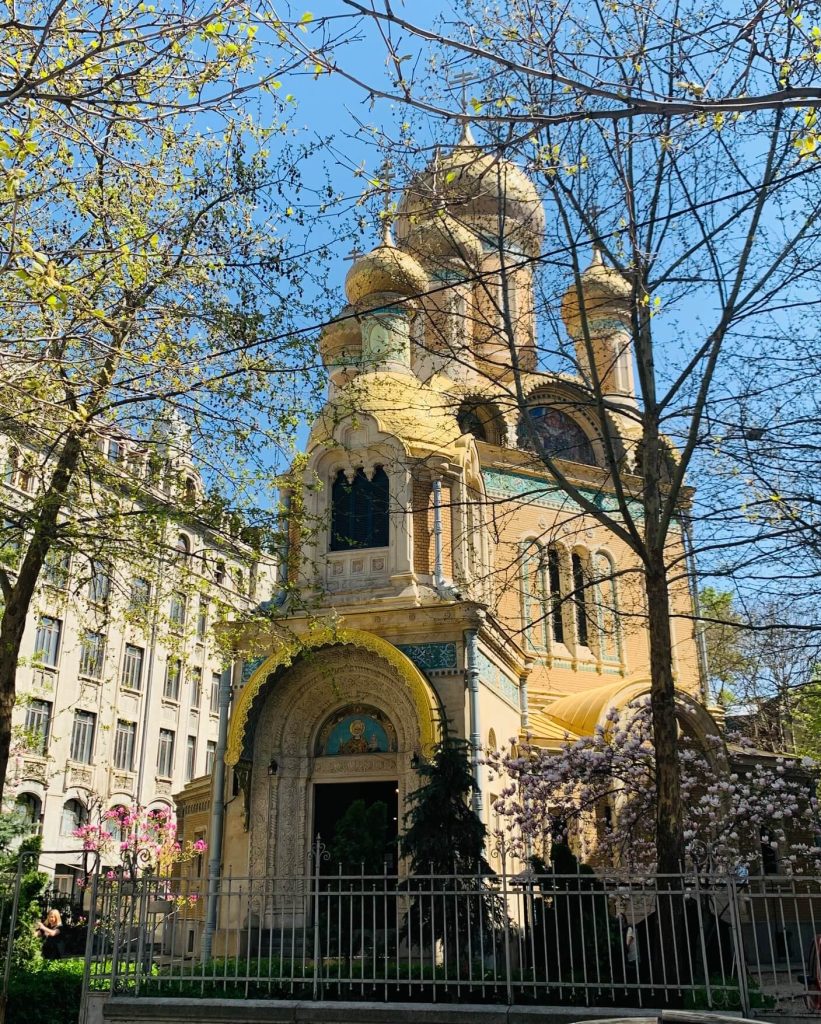
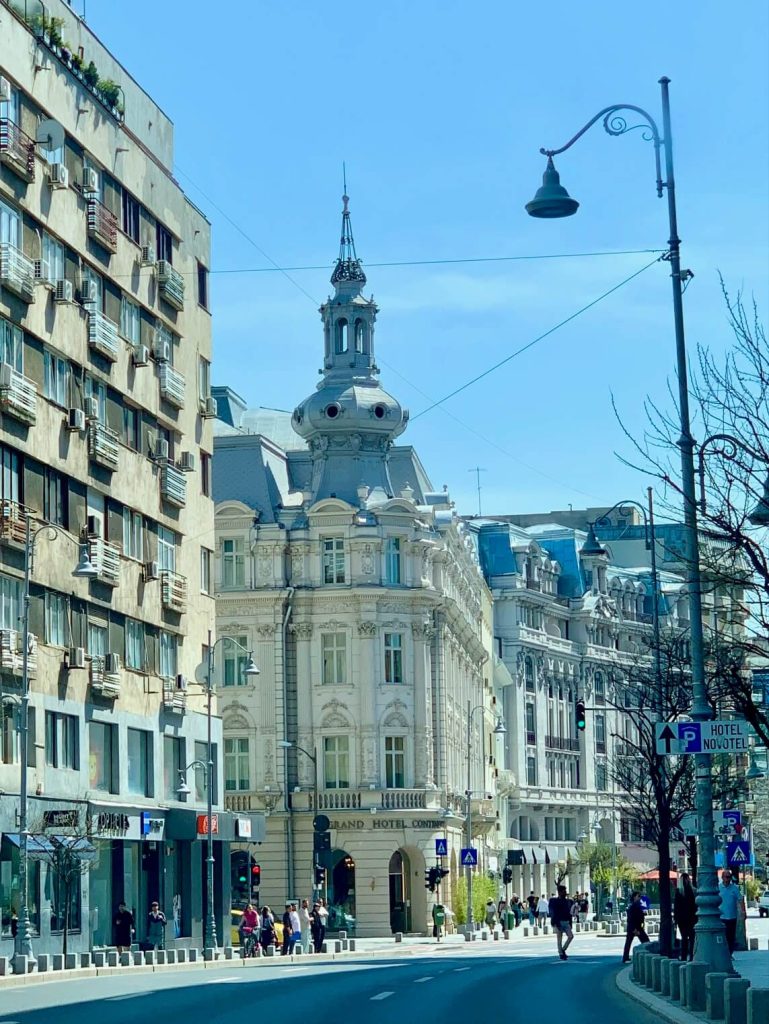
Instead I discovered a land where ethnic Romanians are the direct descendants of the Roman Empire still speaking a language very close to Latin. Their heartland is shared by a large group of originally German settlers termed Saxons who give the legendary region of Transylvania its name.
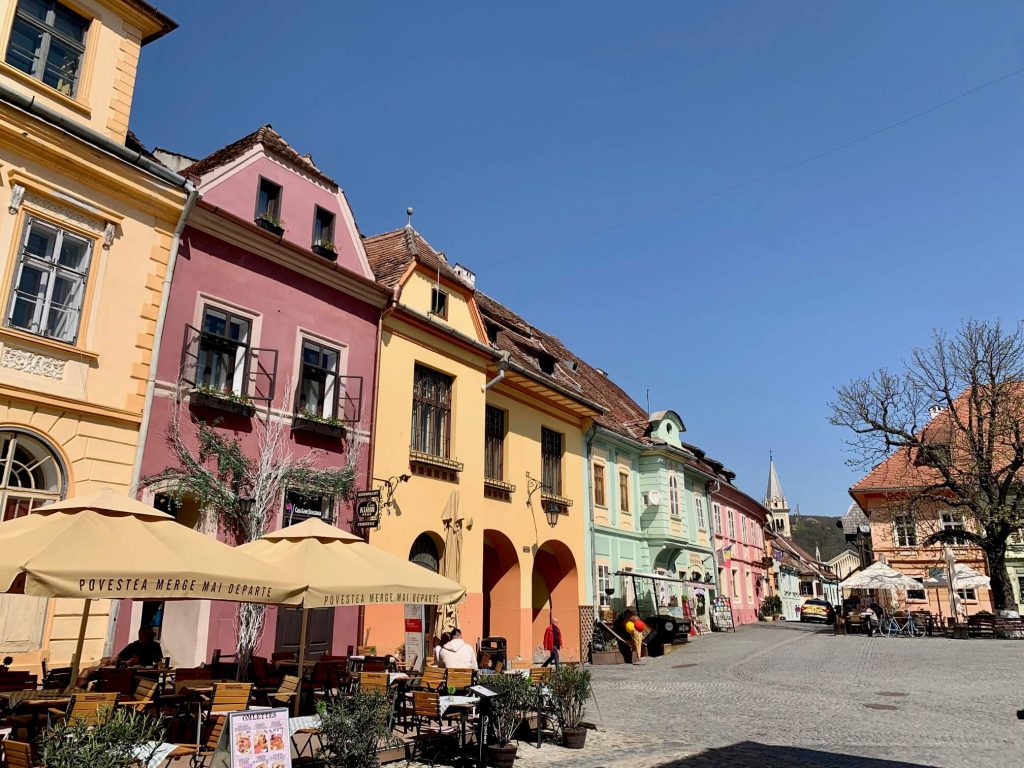
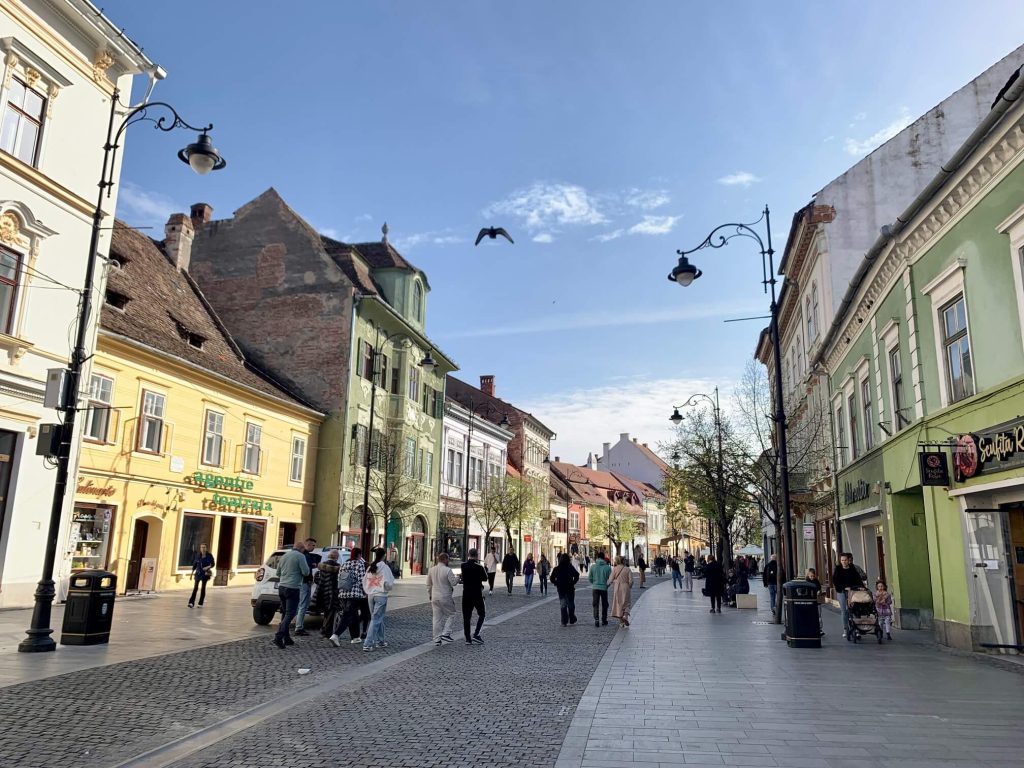
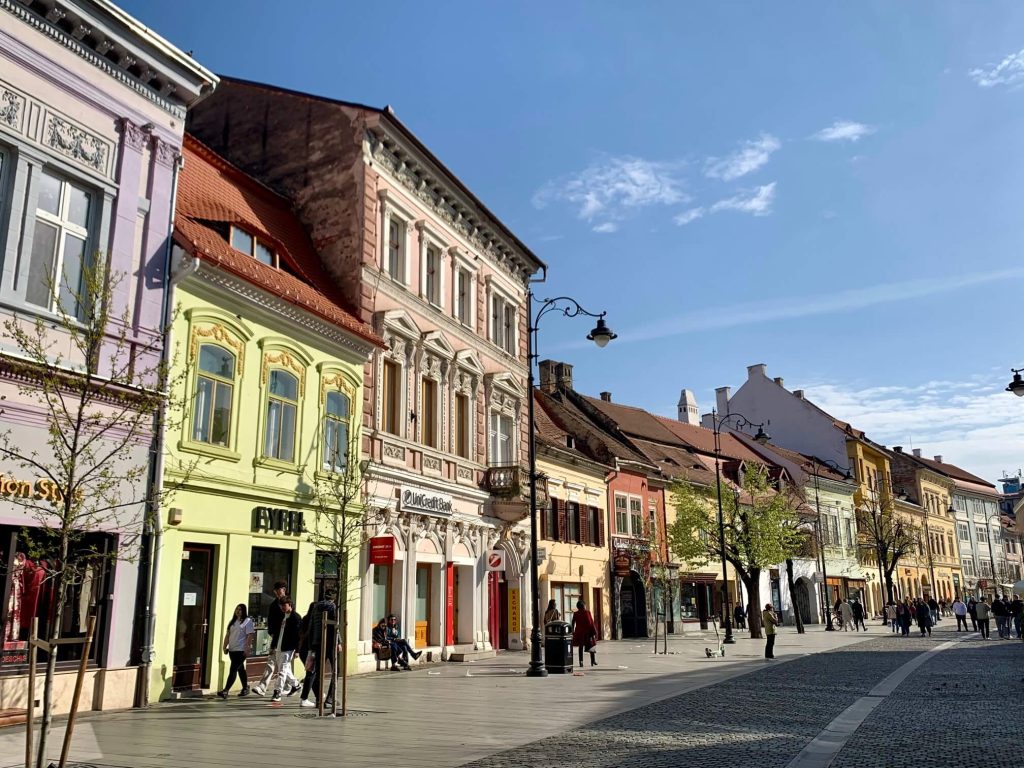
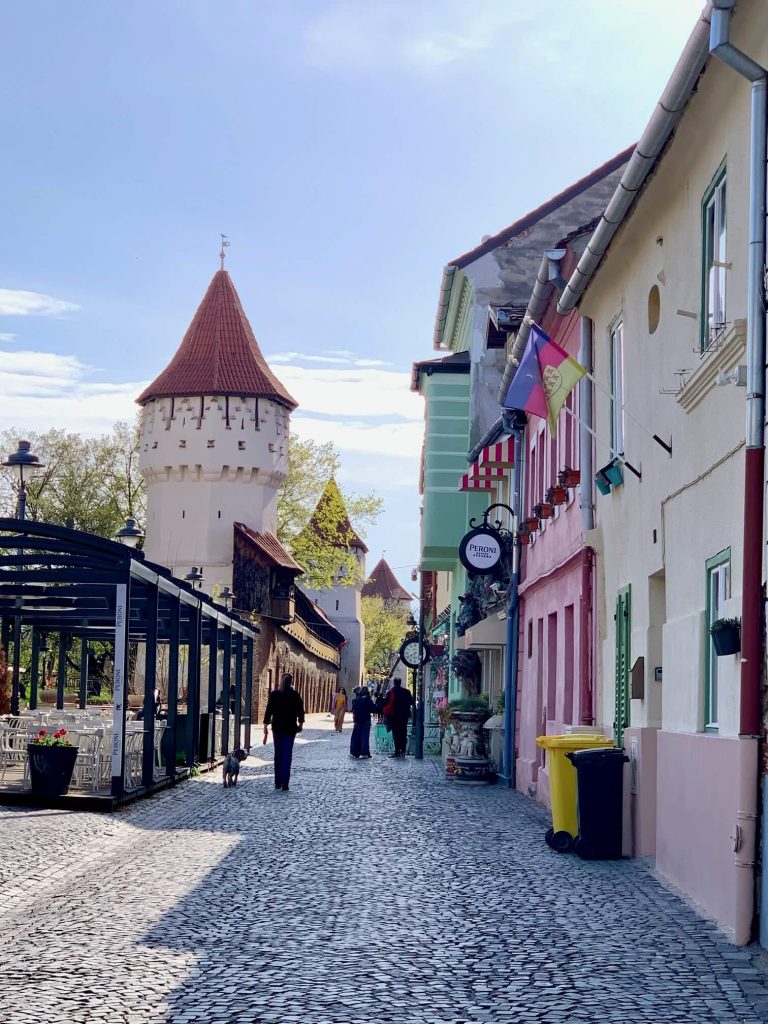
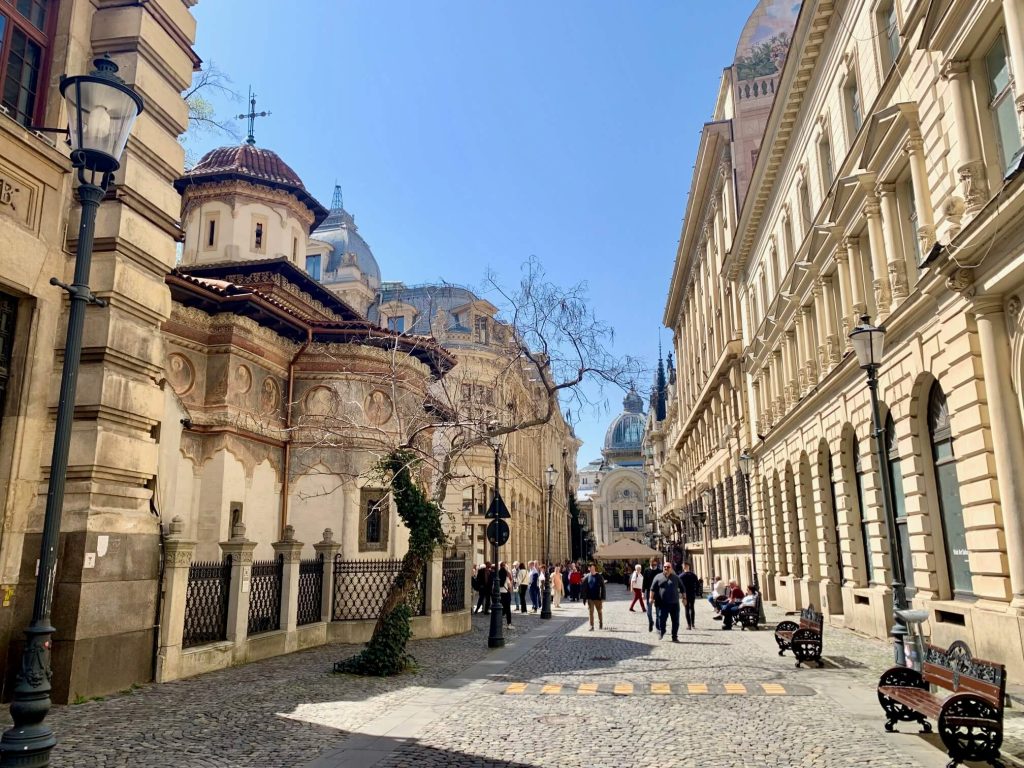
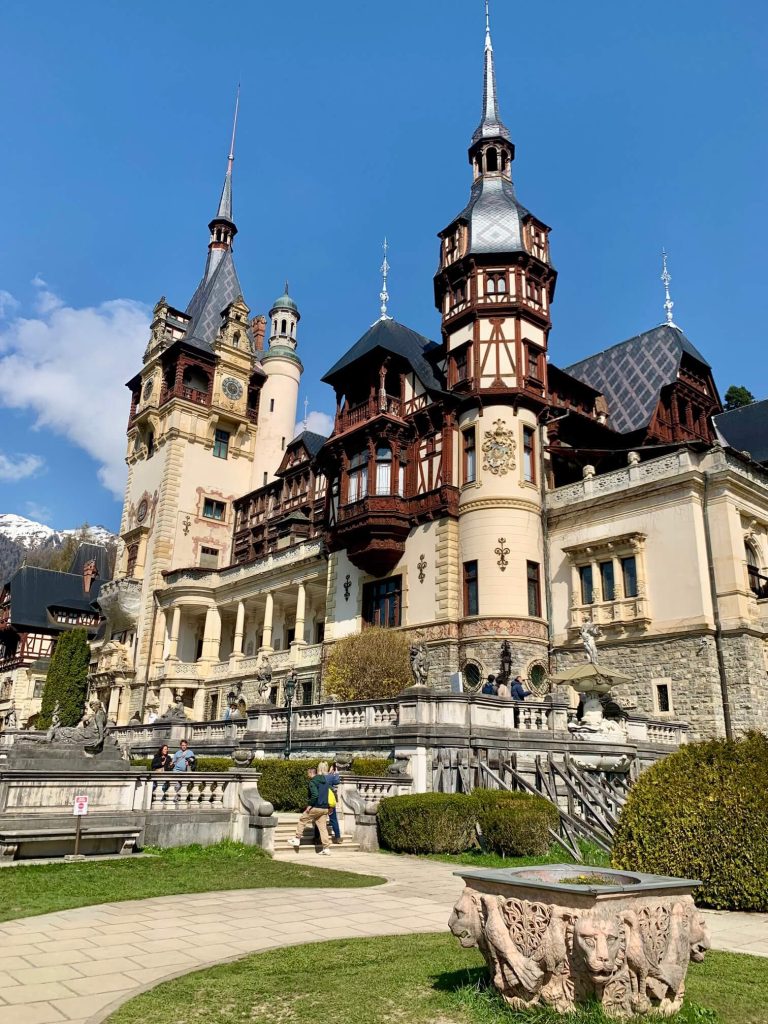
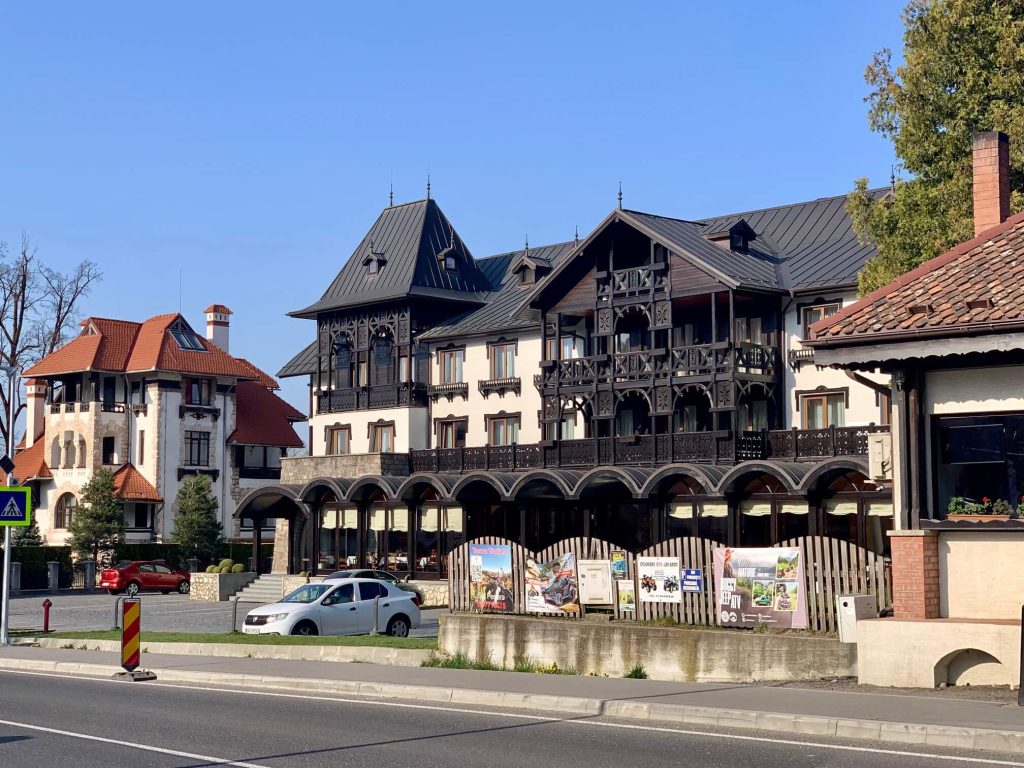
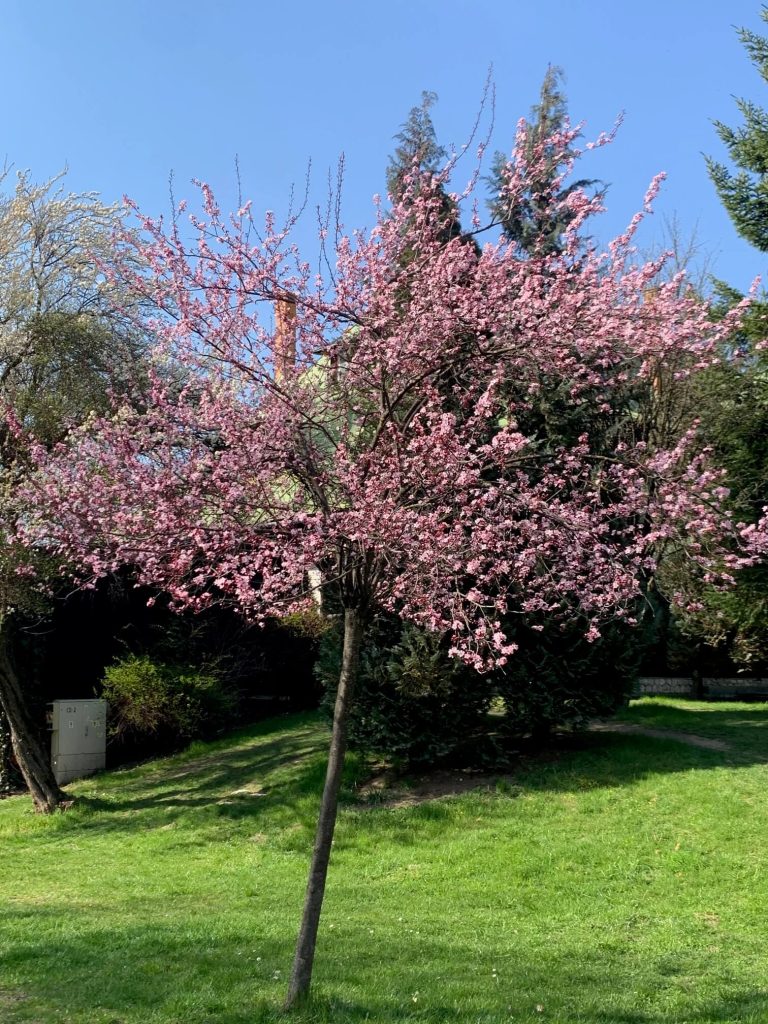
I arrived to the floral spray of spring- cherry and magnolia blossom bringing the first colour to gardens. But far from the cookie-cutter European scenes I anticipated the houses are straight from fairytales. Romanians favour porches, columns and turrets with pressed metal or tiled roofs nearby to the Orthodox Church with its onion dome design, while the Saxon style houses have steep pitched roofs, watchtowers, wooden detailing and positioned a stone’s throw from the steepled Lutheran church. Many of the towns originated in the 14th century and ‘ together’ they progressively fought off the Mongols / Huns, Ottomans, Austro-Hungarians, Nazis and Soviets to emerge as modern day Romania.
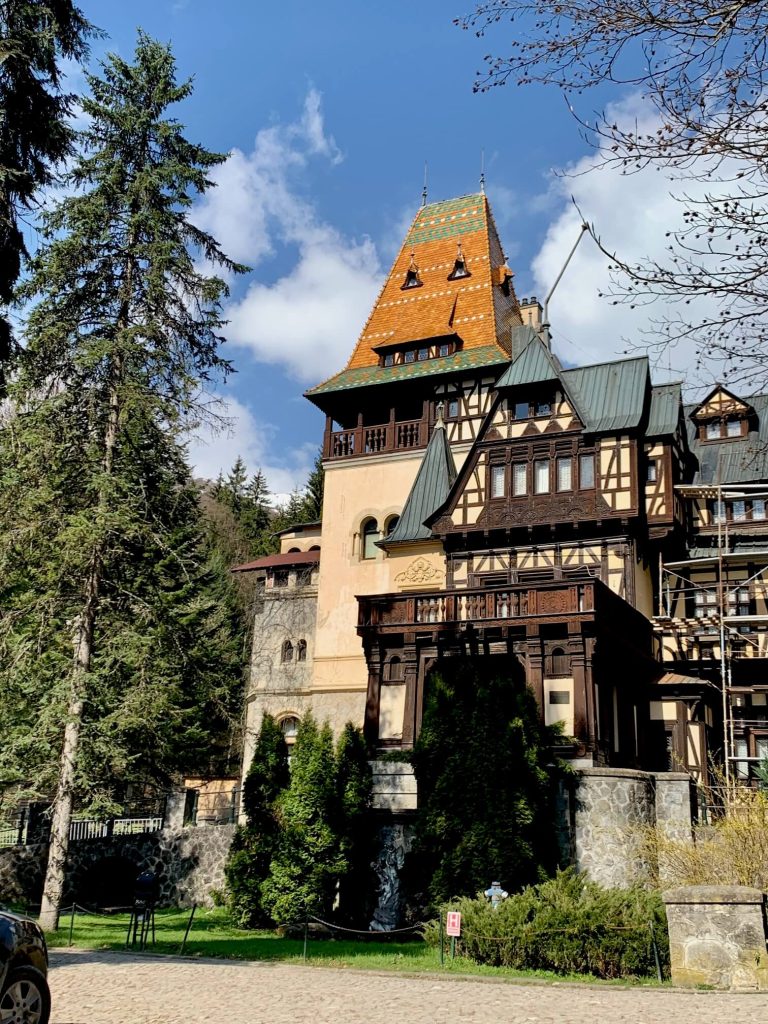
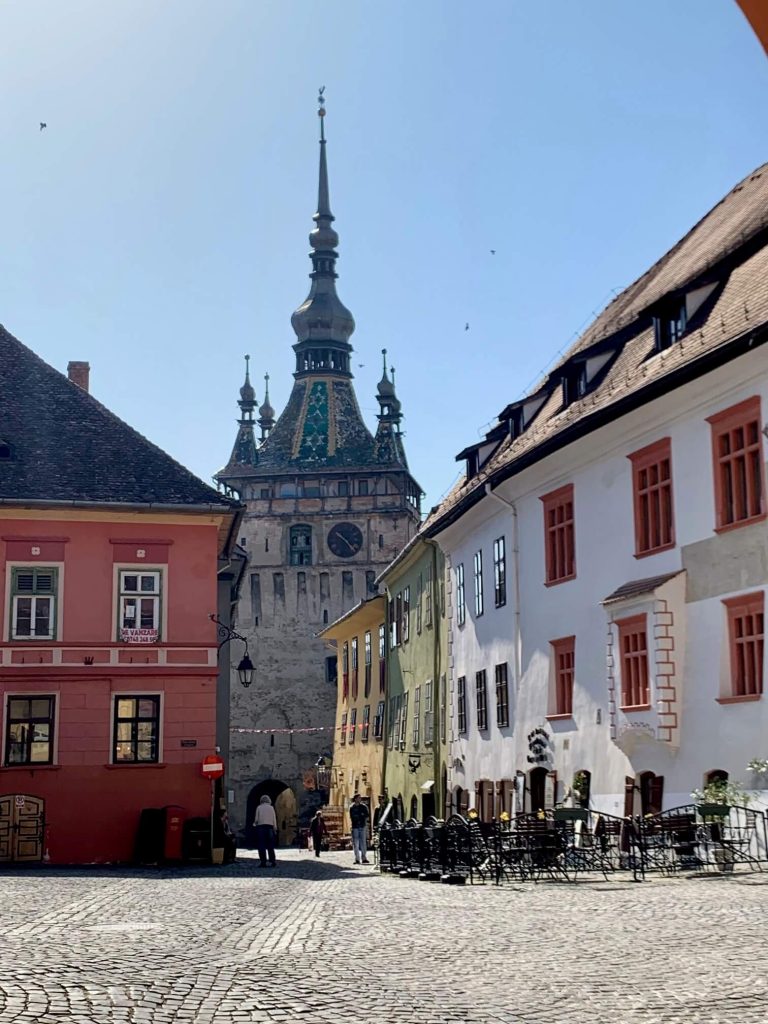
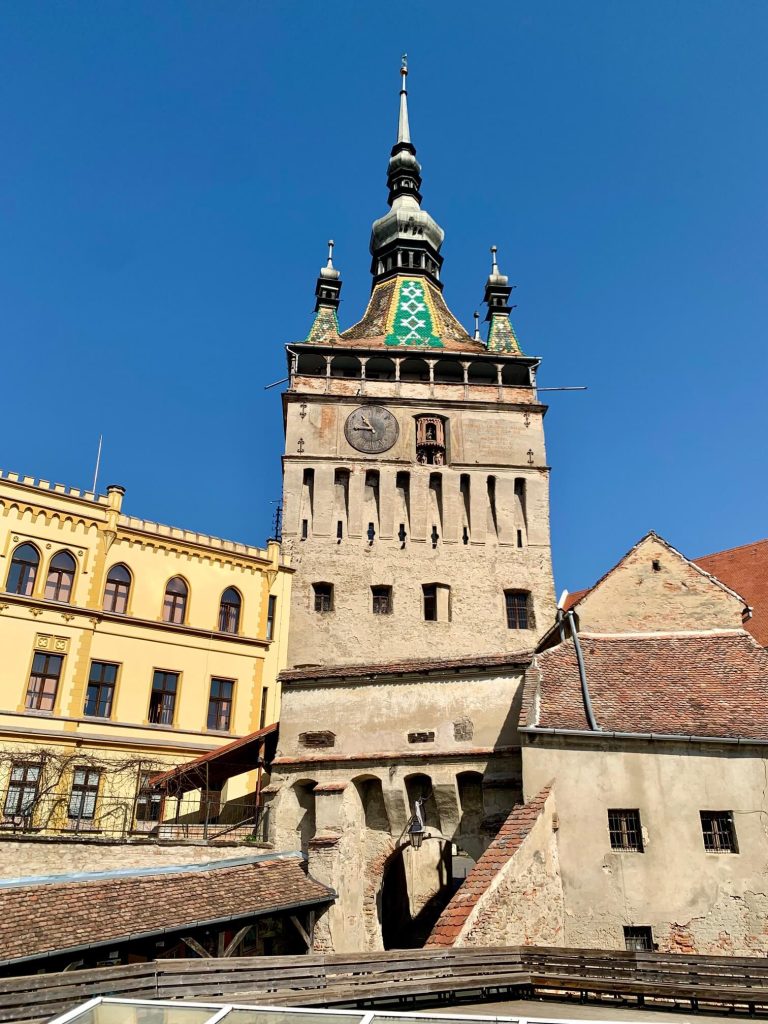
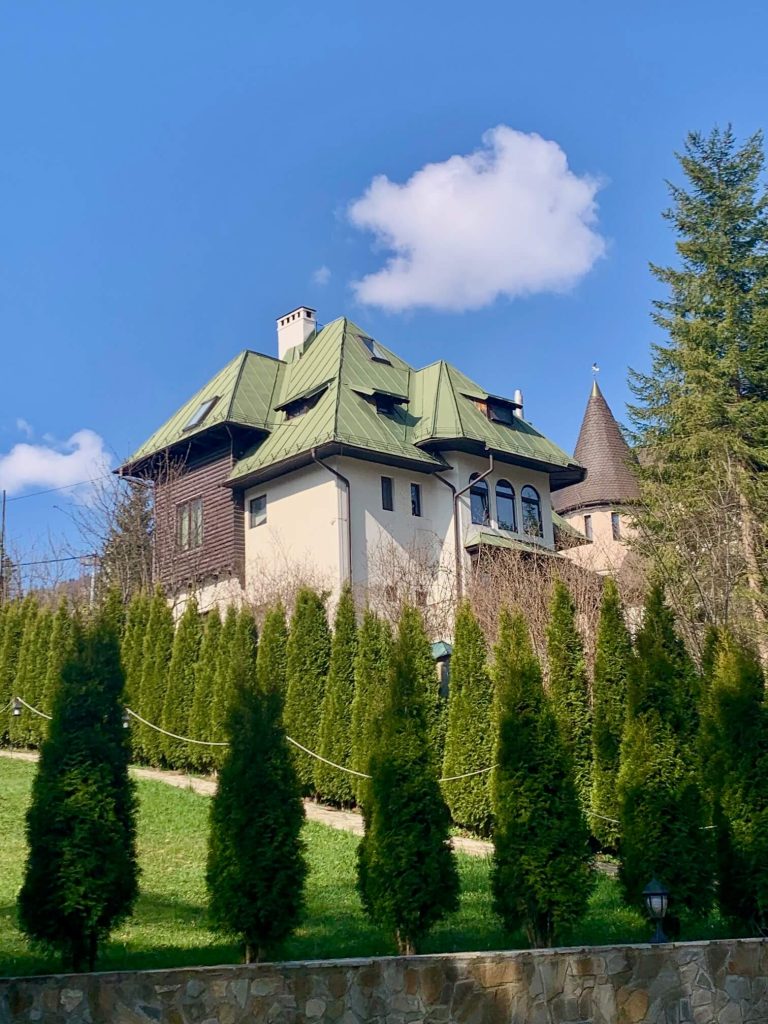
My curious mind is now soaking in history while my imagination is soaring with the architectural charm of medieval Romanian towns.
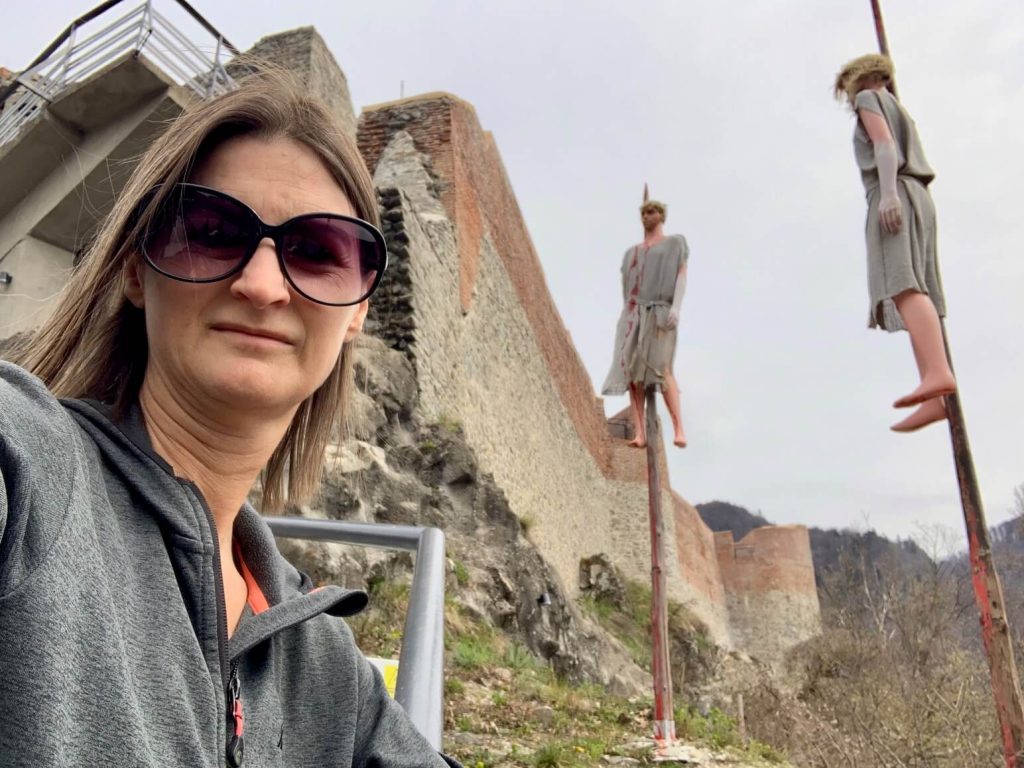
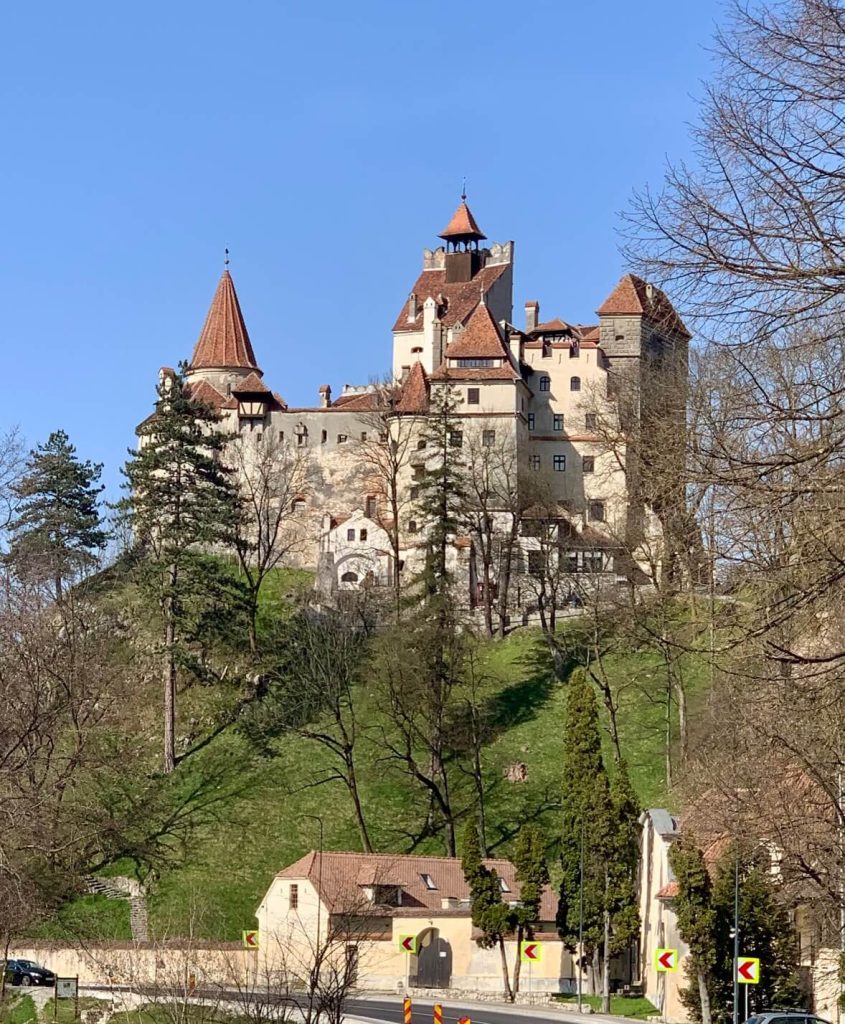
And then of course there’s the story of Dracula which is set in the lands of Transylvania. Whether the area lives up to or will ever live down the legend is debatable. Although the vampire as imagined by Irish author Bram Stoker was fictitious there was a real Romanian called Dracula or ‘son of the Dragon’ who lived in the 15th century. His name was Vlad the Impaler and his cruel streak inflicted a range of torture techniques on his enemies as the name suggests.
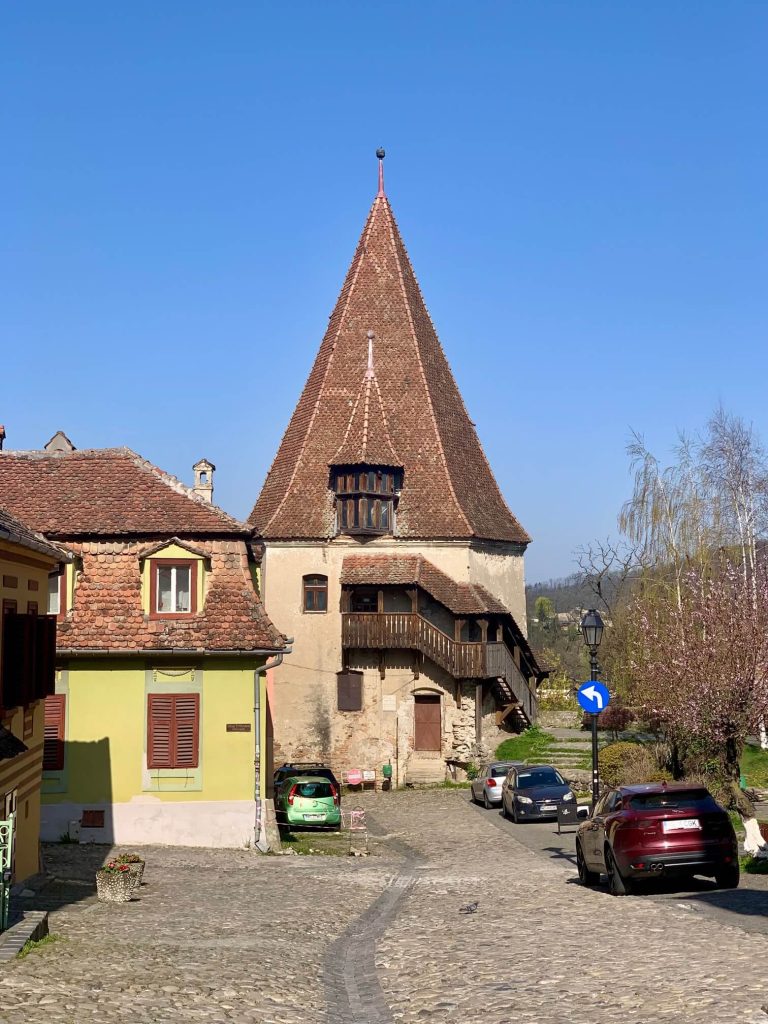
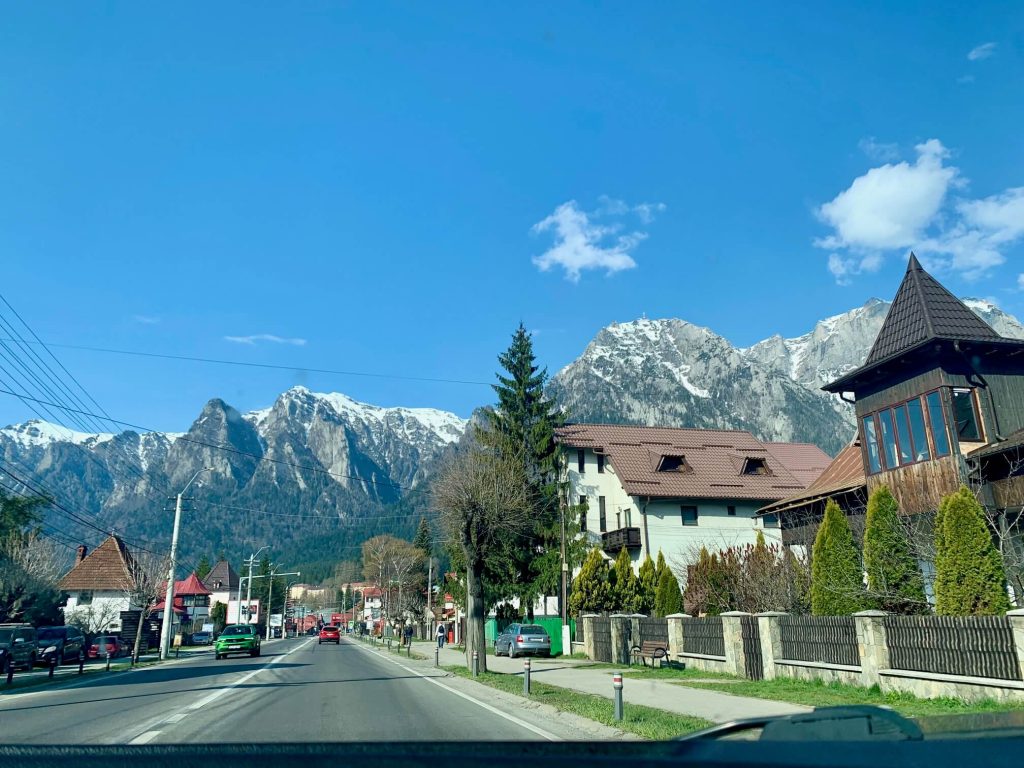
When you think you’ve been everywhere then Romania pops up unexpectedly. Somehow this is one of a Europe’s best kept secrets – the architectural charm set to a backdrop of the Carpathian mountains, a photographic feast and a new storybook of historical characters. This is quite simply why I travel.