
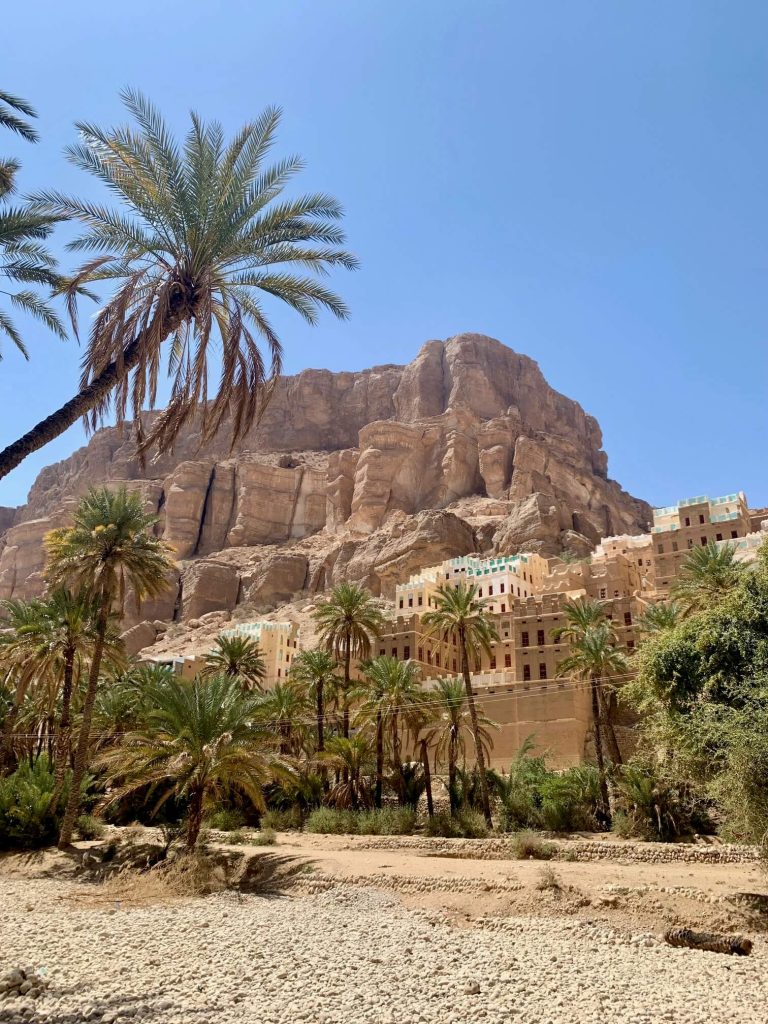
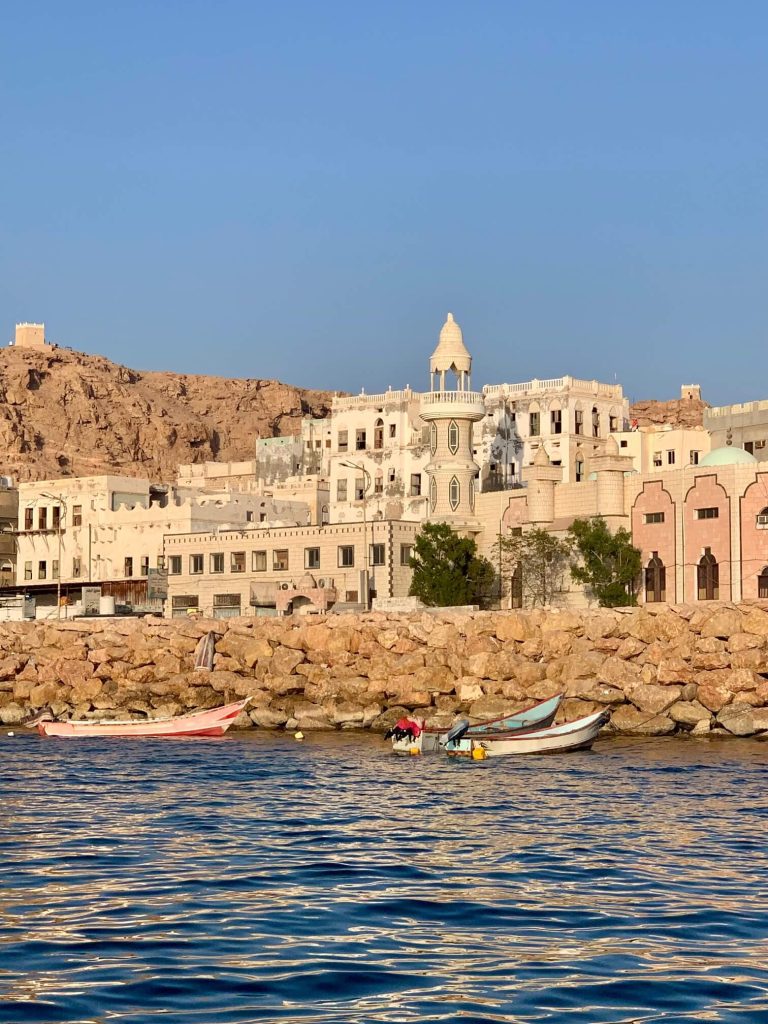
The next part of my journey has been to put feet on the ground and explore from the other side of the Red Sea in southern Yemen. Whether from fame or infamy most have probably heard talk of Yemen as it seems repeatedly in the international news for it’s ongoing civil wars and nationalist players such as the Houthis. Its infamy however is also indelibly linked with its long history of wealth and prosperity in antiquity. Arabia Felix (fertile Arabia) was the Roman name given to the land of honey that prospered in South Arabia 2 millennia ago. The region built its fortunes on the boom commodity of frankincense which is sourced from trees grown only in a small region of southern Yemen / current day Oman. Proceeds from trade of the highly prized perfume/ incense resin supposedly filled the coffers of the Queen of Sheba whose Royal Palace was in southern Arabia. Her beauty and wealth were legendary. The frankincense trade wealth carried forward to modern day Yemen with vastly rich sultans building on millennia of trade along the Arabian peninsula and beyond.
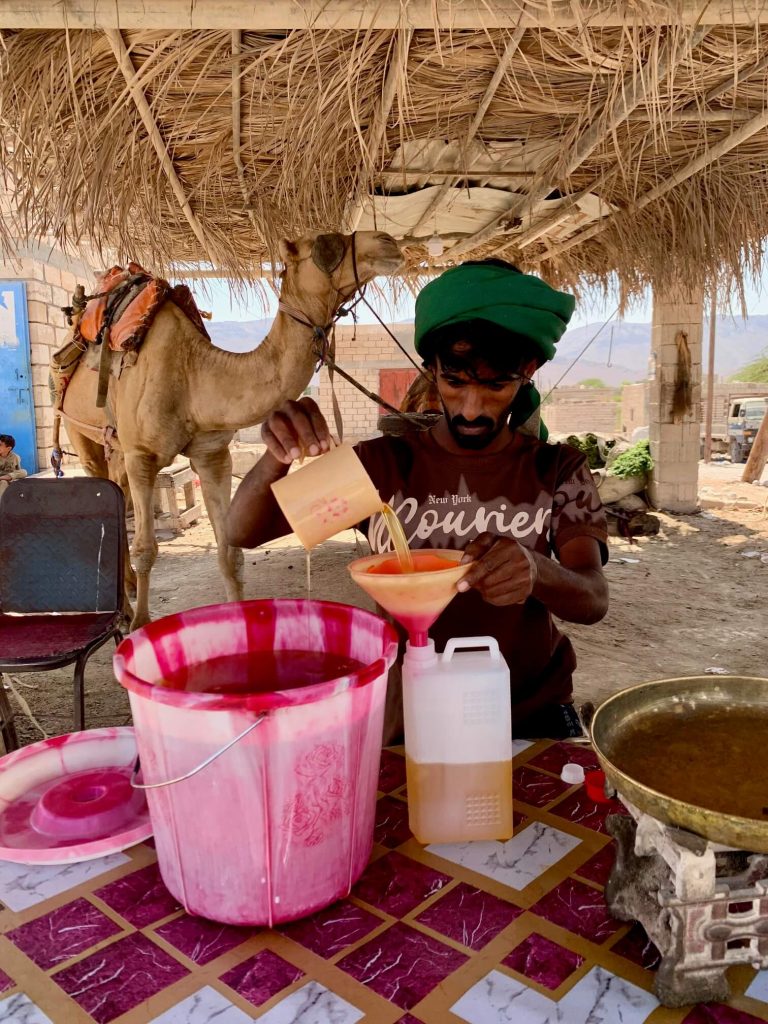
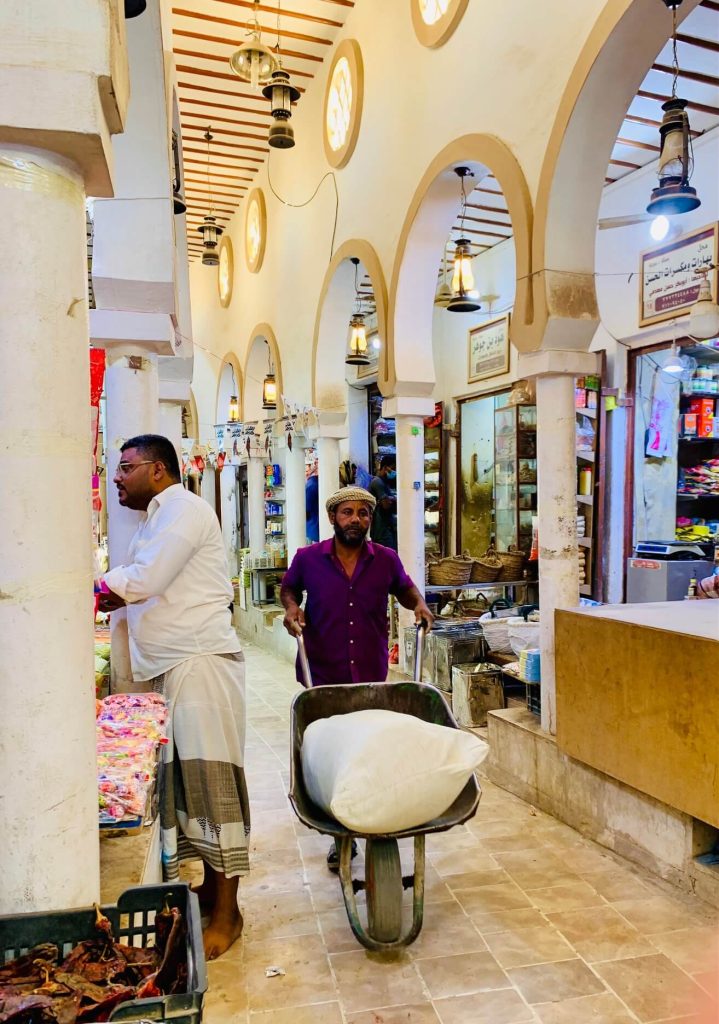
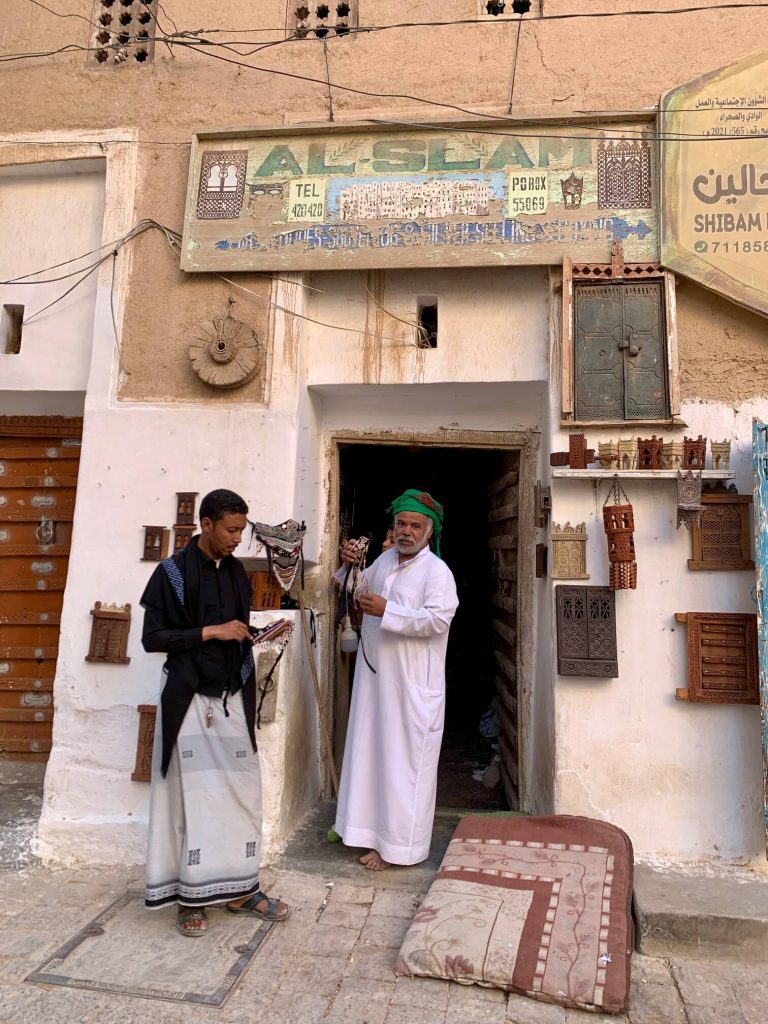
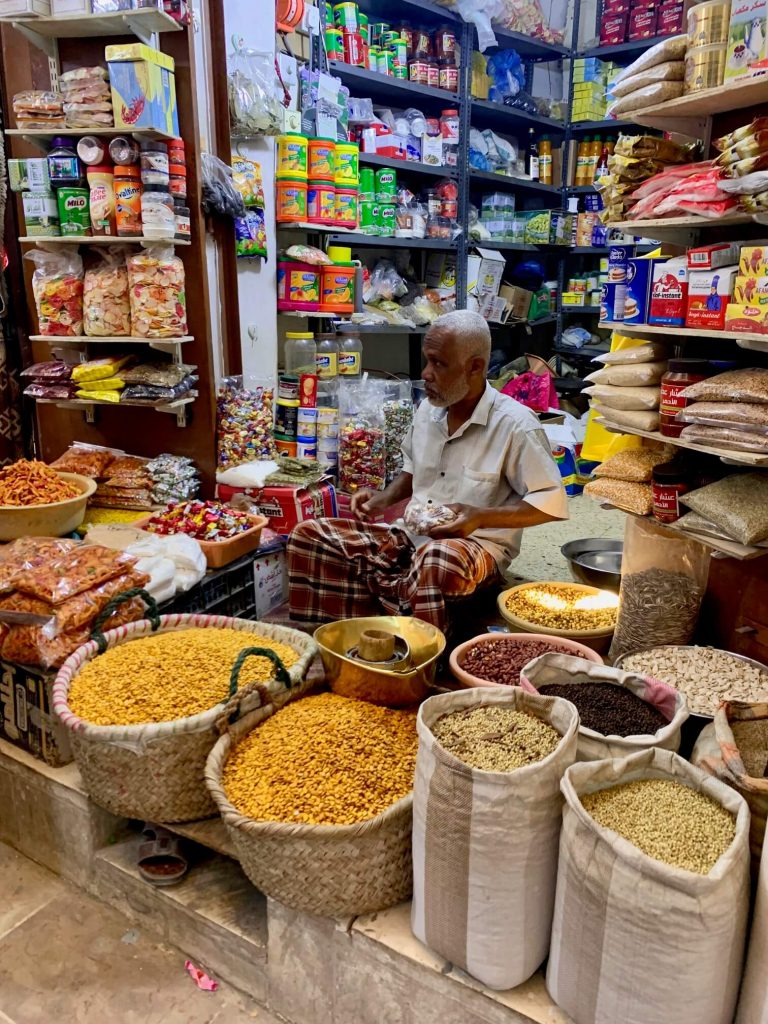
The 16th century brought a new boom commodity to Arabia Felix – coffee beans had been discovered some time prior in nearby Ethiopia but the crop was first cultivated in the lands of Yemen and it first emerged as a prepared drink in the 1500s in Yemen. Coffee houses and the practice of preparing and drinking coffee socially spread rapidly through Arabia, the Ottoman Empire and southern Europe. And the most famous of ‘Arabica’ coffee beans were traded from the port of Mocha (Mokha in local spelling) in East Yemen!
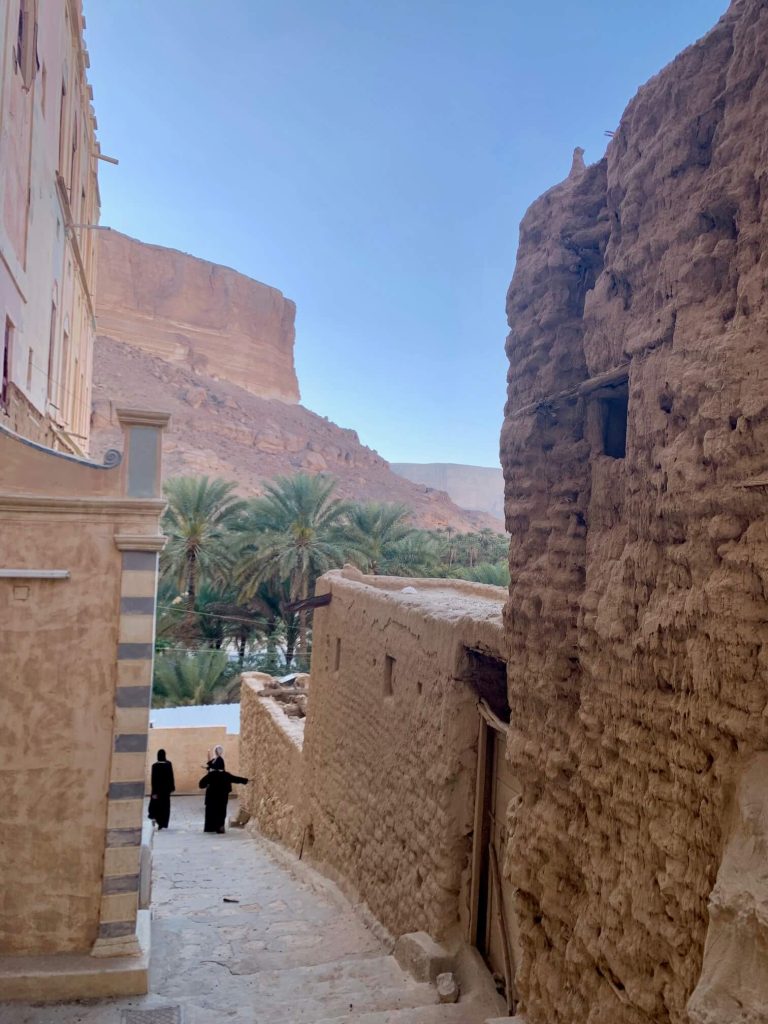
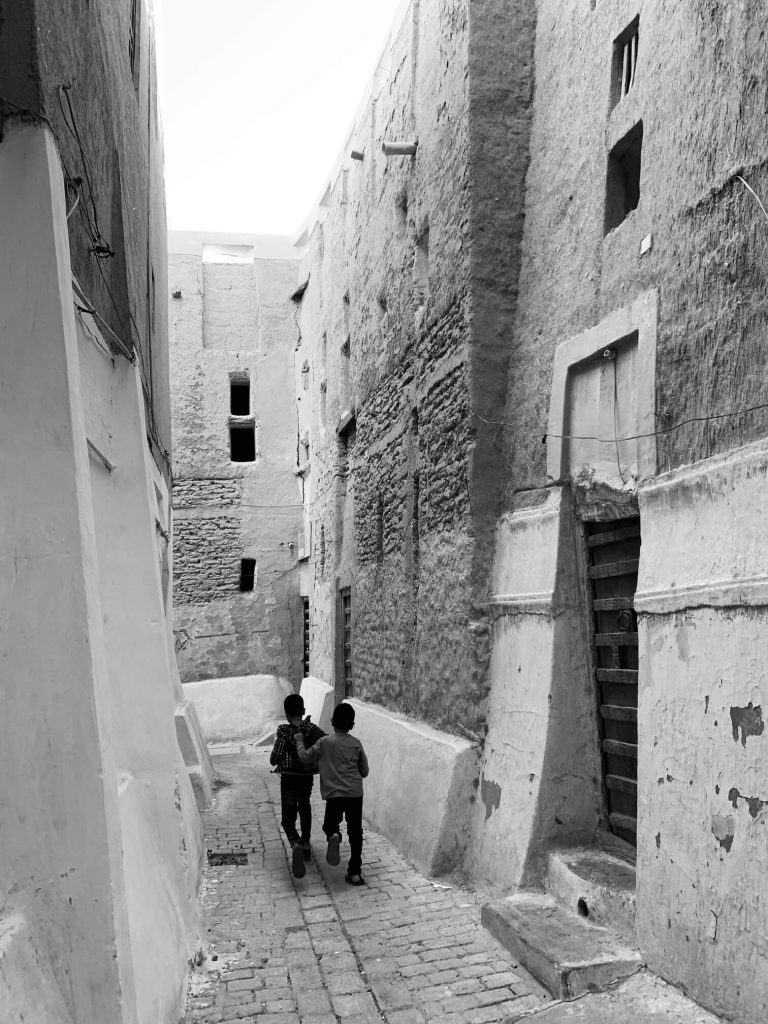
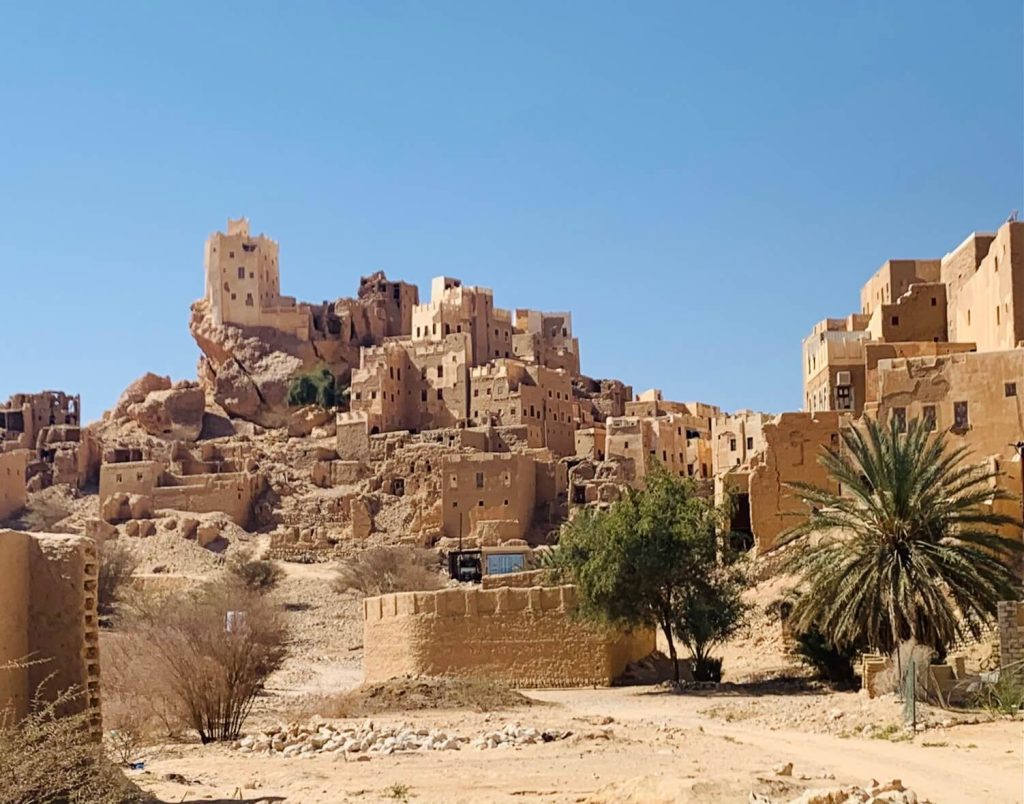
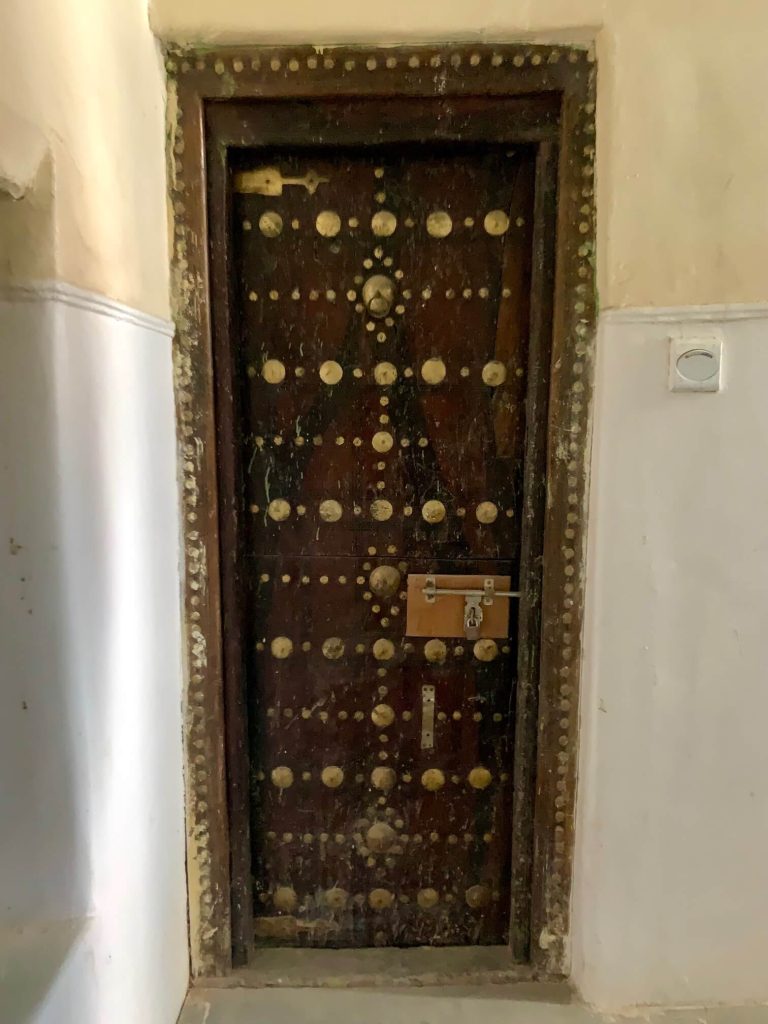
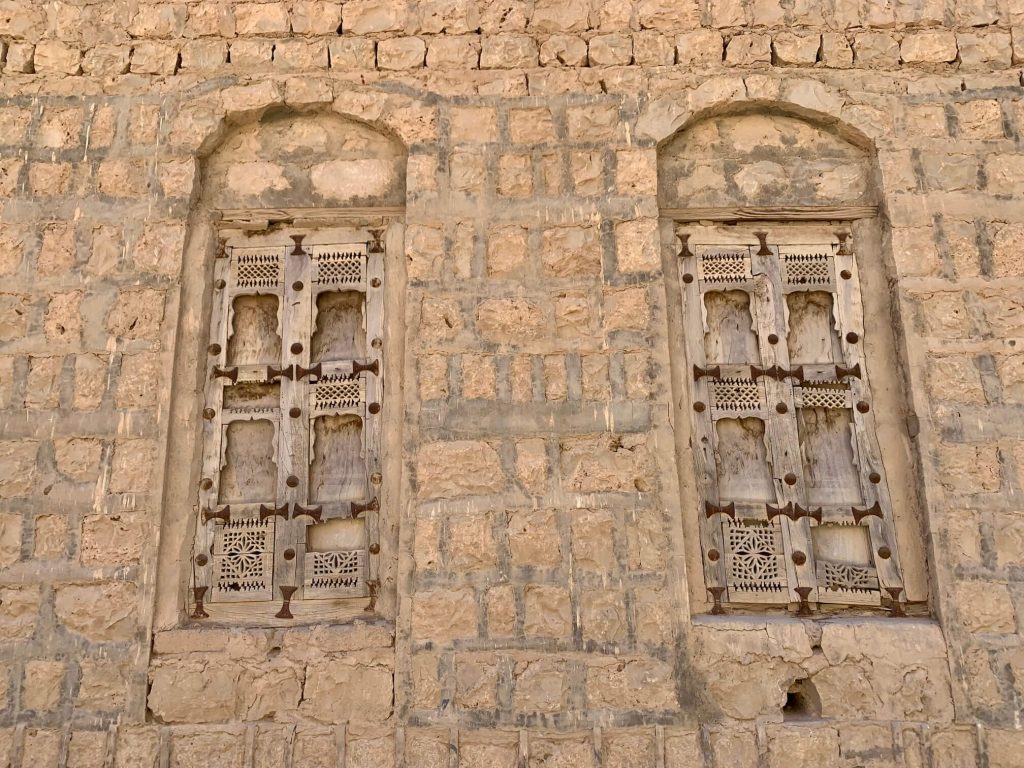
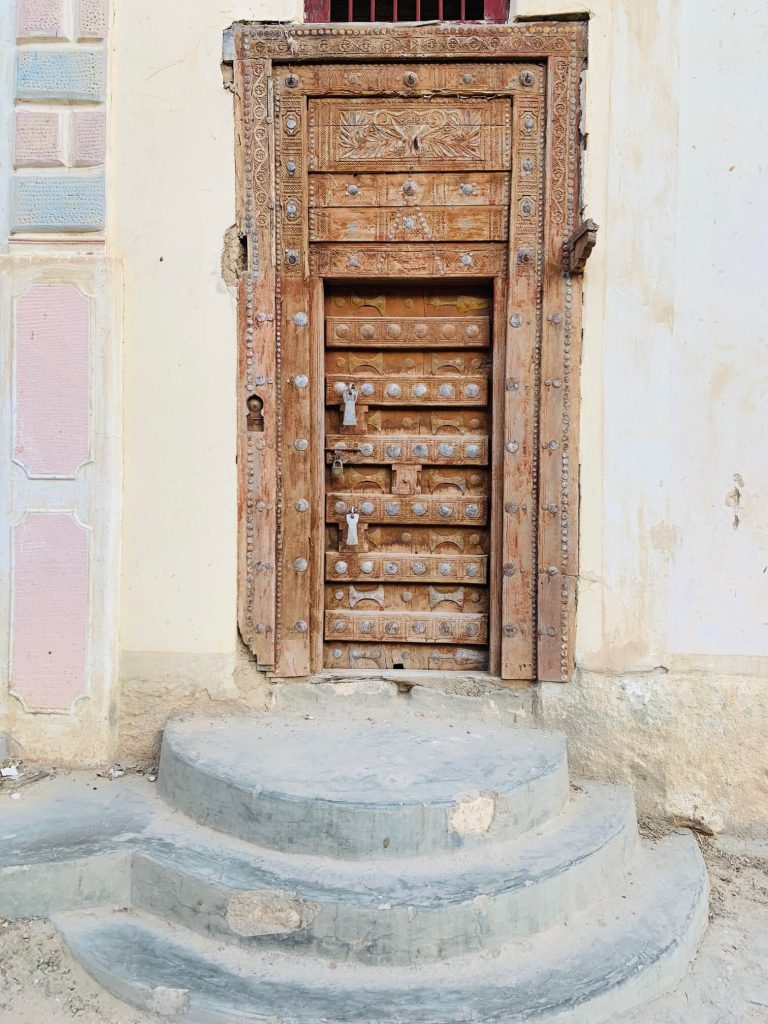
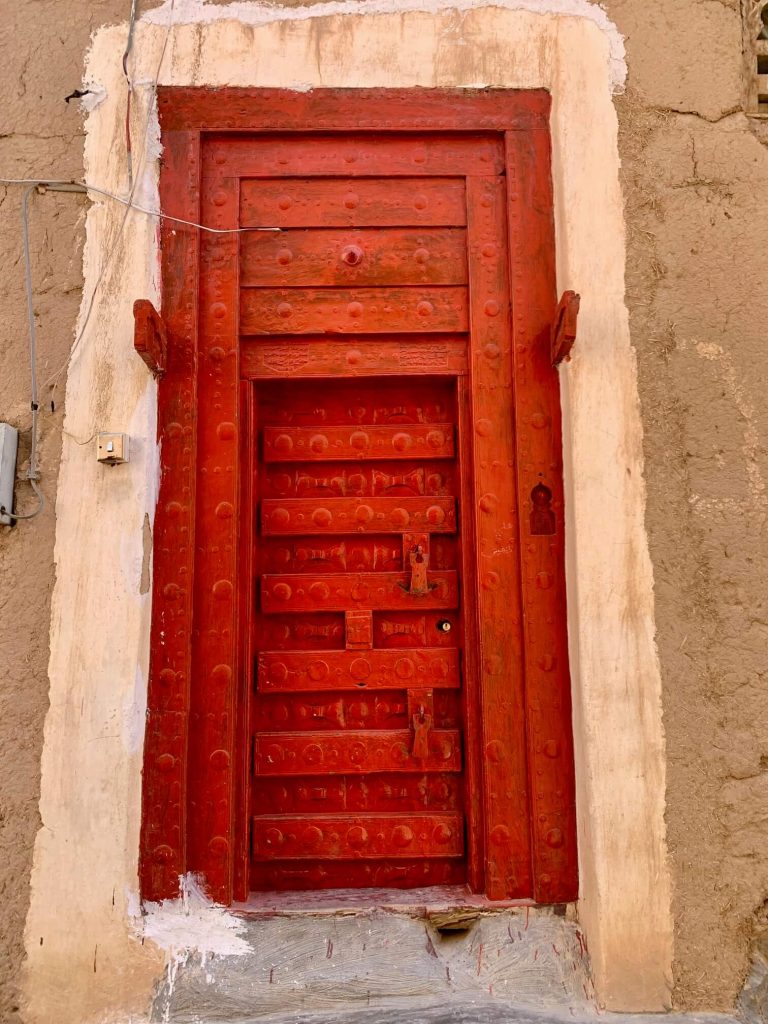
My imagination needs no more stimulant to feed my excitement as I explored parts of modern day Southern Yemen. Its desert and arid landscape is punctuated by a long limestone plateau raked with deep canyons which hide fertile valleys below. Only a few decades ago caravans of camels were still supplying goods and trade along the valleys. Strings of mudbrick villages, forts and palaces cling to cliff faces along a renowned region of Wadi Doan. The architecture of south Yemen is like no other- mudbrick -constructed buildings decorated with lattice covered arched windows, large wooden doors studded with metalwork and hefty door knockers, along with their unique wooden latch / lock.
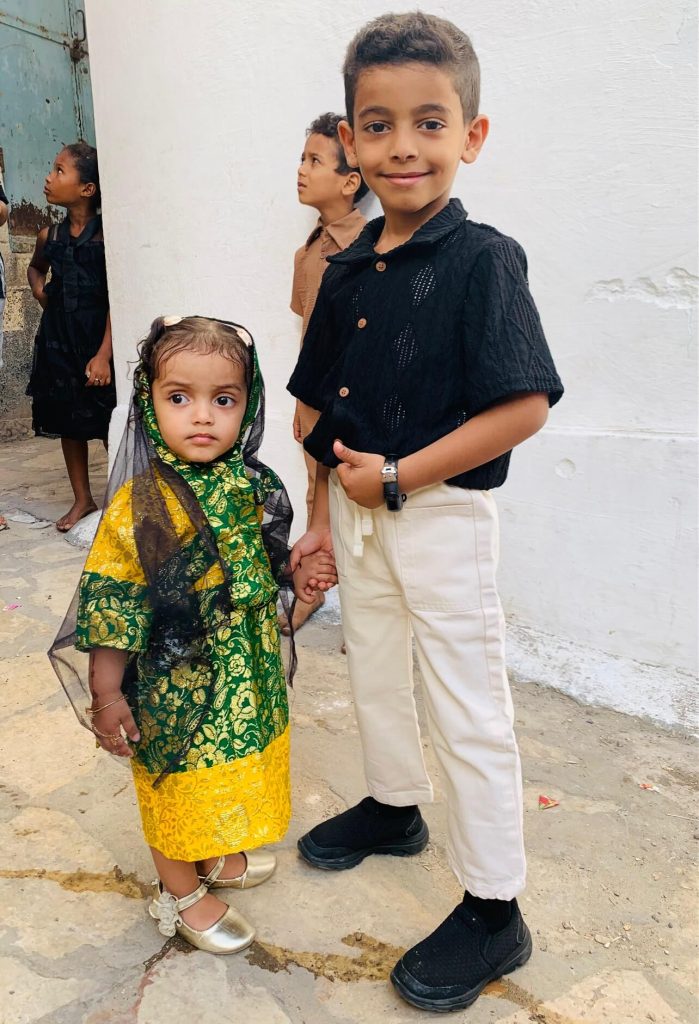
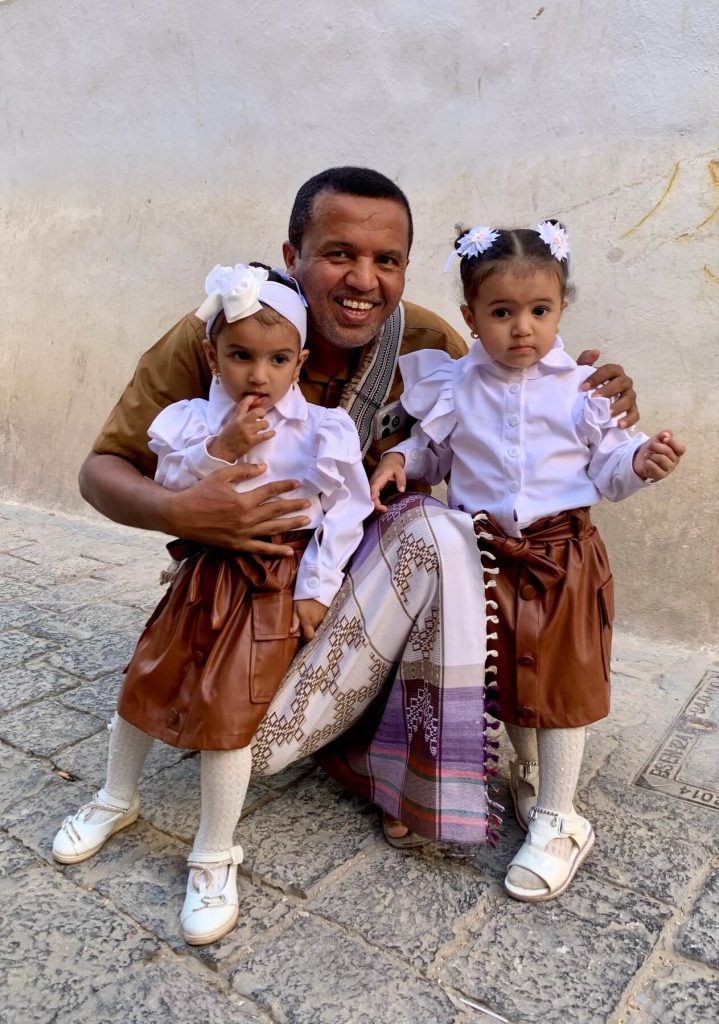
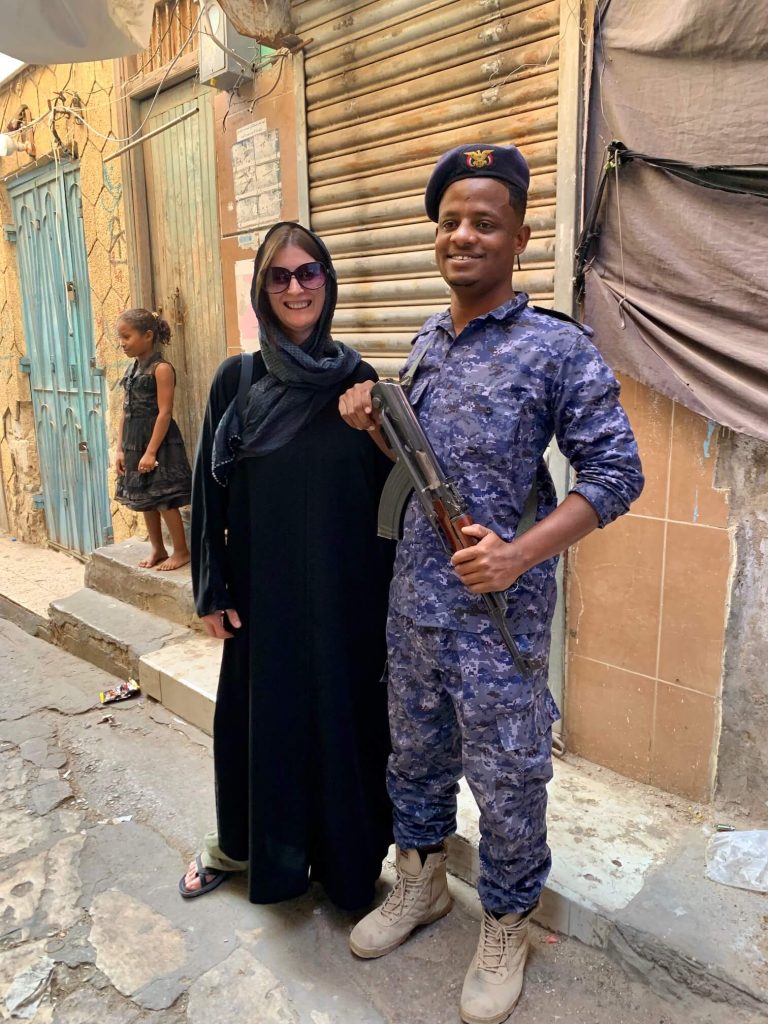
The friendliness of Yemenis and the tradition for looking after travellers endures. It can be a difficult time travelling during the fasting month of Ramadan as the towns and streets feel deserted until late afternoon. It has been a treat however to see the beautifully dressed children and families emerging before sunset waiting to visit friends in a tradition to share iftar – the meal that breaks the fast after sunset.
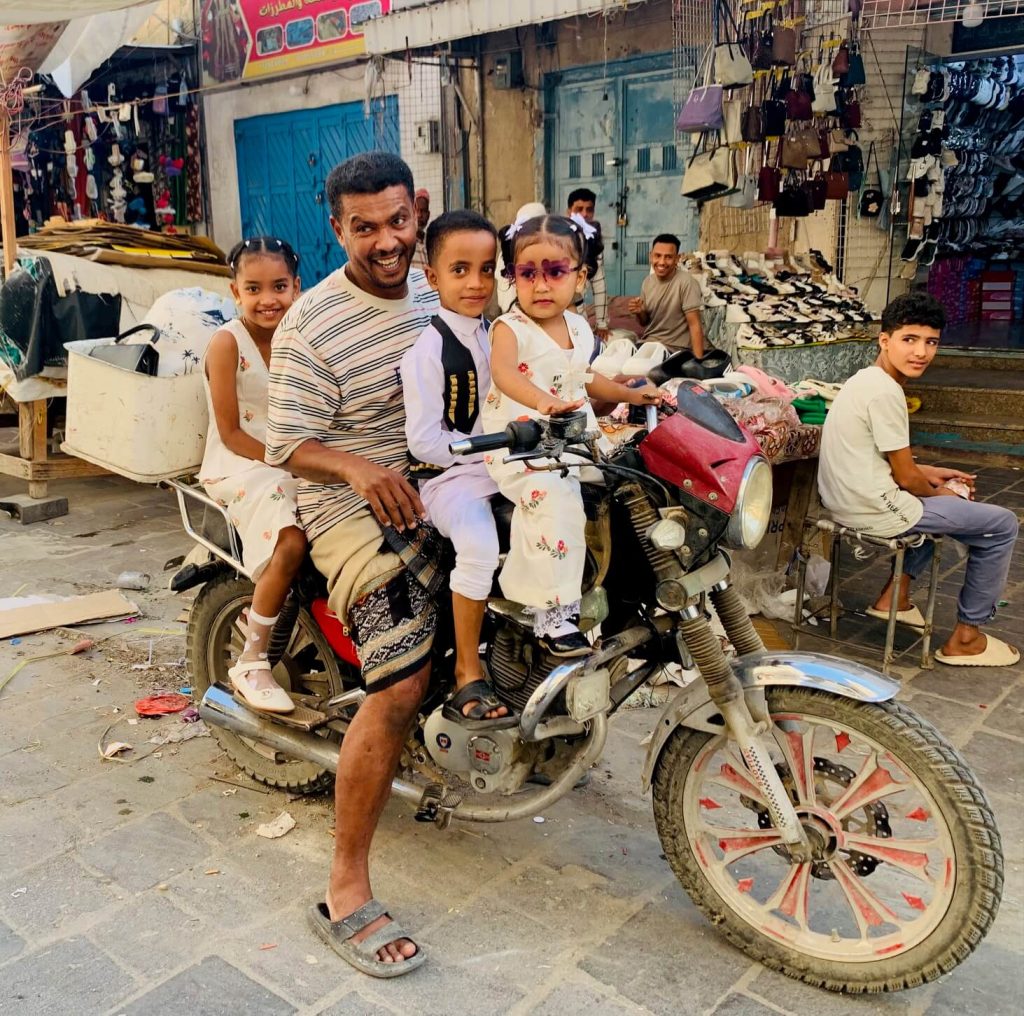
I hope these words convey some of the history, beauty and warmth of Yemen and that erases for a moment the infamy peddled on the evening news.

What a beautiful passage. It is wonderful to hear the other side of a region that only gets bad press. Well done.
Beautiful KP. Looks incredible. Glad you are safe. X
Nice one kazza, very interesting, mick